
Travel Planning Doc
📖 Table of Contents
- How to Build Your Travel Planning Doc
- Why Spring is the Best Time to Travel
- Staying Within Budget
- Choosing the Right Accommodations
- Planning Your Itinerary
- Staying Organized on the Go
- Making the Most of Your Trip
- Leveraging Local Insights for a Deeper Travel Experience
- Make It Your Way
- Frequently Asked Questions
I remember the first time I tried to plan a trip without a travel planning doc — it was a disaster. I jotted down a list of destinations, tossed in a few random hotels, and ended up with a trip that felt more like a scavenger hunt than a vacation. The chaos was real: conflicting flight times, overlapping reservations, and a budget that had already exceeded my limit by day two. It was only after I created a travel planning doc that I realized how much smoother the process could be.
A travel planning doc isn’t just a checklist; it’s a lifeline. It’s how I organized my recent trip to the Pacific Northwest, where I stayed for four days, visited six stops, and kept my budget under $700. Every detail — from booking the right train tickets to tracking my daily spending — was in that document. It made me feel in control, even in a place where nature moves at its own pace and plans can shift in a heartbeat.[1]
Now, I use my travel planning doc for every trip, whether it’s a weekend escape or a month-long journey. It’s my secret weapon for keeping things organized, on track, and, most importantly, enjoyable. I’ve learned that the difference between a good trip and a great one often comes down to the preparation — and a good document can make all the difference.
Why You'll Love This Travel Planning Doc
- It keeps your itinerary clear and easy to follow, even when things change.
- It helps you stay within budget by tracking every expense down to the last dollar.
- You can tweak plans as needed without losing track of what’s already booked.
- It ensures that every detail — from flights to hotels — is in one place.
How to Build Your Travel Planning Doc
As of August 2026, the first step in creating your travel planning doc is to define your trip’s parameters. I always begin by noting the destination, the dates of my trip, and the total budget I’ve allocated. This gives me a clear framework to work with, and it helps me avoid overcommitting.[2]
Next, I break the trip down into segments — like transportation, accommodations, and activities. For each segment, I list all the bookings, including flight numbers, hotel names, and activity reservations. This helps me see where I’ve committed my time and money.
I also include a budget breakdown for each category. For example, I allocate a specific amount for meals, transportation, and souvenirs. This keeps me from going overboard and helps me stay on track even when unexpected expenses come up.
Whether it's Google Sheets, Excel, or a travel app like TripIt, having a centralized place to track everything is essential. I've used TripIt for years and love how it automatically syncs all my reservations into one place.
Part of our Hawaii guide.
Why Spring is the Best Time to Travel

I’ve traveled in every season, but I always find that spring is the best time for most destinations. The weather is just right — not too hot, not too cold — and the landscapes are in full bloom. It’s especially beautiful in places like the Pacific Northwest, where the cherry blossoms are in full swing.
Another advantage of spring is the lower prices. Airlines and hotels often offer discounts this time of year, and I’ve managed to get great deals on flights and accommodations during this period. Plus, there are fewer tourists, which means fewer crowds at popular attractions.
I remember one trip to Kyoto in late March, where I got a room in a traditional ryokan for half the price of a similar room in the summer. It was a fantastic experience, and I didn’t have to deal with the long lines at temples or the overwhelming heat of the summer months.
Spring is when the world feels awake and ready for adventure.
Related: Travel planning hacks
Related: Travel planning gpt
Related: Travel planning ideas
Related: Travel planning map
Related: Travel planning diary
Related: What Is Eco Conscious Travel
Related: Erie Insurance Bill Pay
Related: What Is Liberty Mutual Insurance
Related: Travel Planning Guide
Related: Best Travel Apps For Planning
Related: Best Travel Insurance For 2026
Related: What Is Liberty Insurance
Related: How To Get Auto Insurance Quotes
Related: What Is Commercial Truck Insurance
Related: Ergo Next Insurance
Related: Best Insurance Plans To Meet My Needs
Related: What Is Travel Advantage Network
Related: Travel Planning Calendar
Related: What Is A Private Mortgage Insurance
Related: What Is Axa Insurance
Related: Liberty Car Insurance
Staying Within Budget
One of the most important parts of a travel planning doc is staying within your budget. I like to set daily spending limits for things like meals, transportation, and shopping. This helps me avoid overspending and keeps me on track.
I also track every expense as it happens. Whether I’m buying a coffee in a local market or booking a ferry ticket, I record it immediately. This makes it easy to see where my money is going and where I might need to adjust my spending.
For example, on one trip to Lisbon, I set a daily budget of $75 and stuck to it. By the end of the trip, I had $25 left and even had a few extra meals to spare. It was a great feeling to see that I was being responsible with my money.[3]
If you’re traveling on a budget, setting daily limits for meals, transportation, and shopping can help you stay on track. I use a small notebook to record every expense and review it at the end of each day.
“I remember the first time I tried to plan a trip without a travel planning doc — it was a disaster.”— Eco Friendly Travel Planning editors
Related: Lemonade Car Insurance
Related: Travel Planning Hawaii
Choosing the Right Accommodations
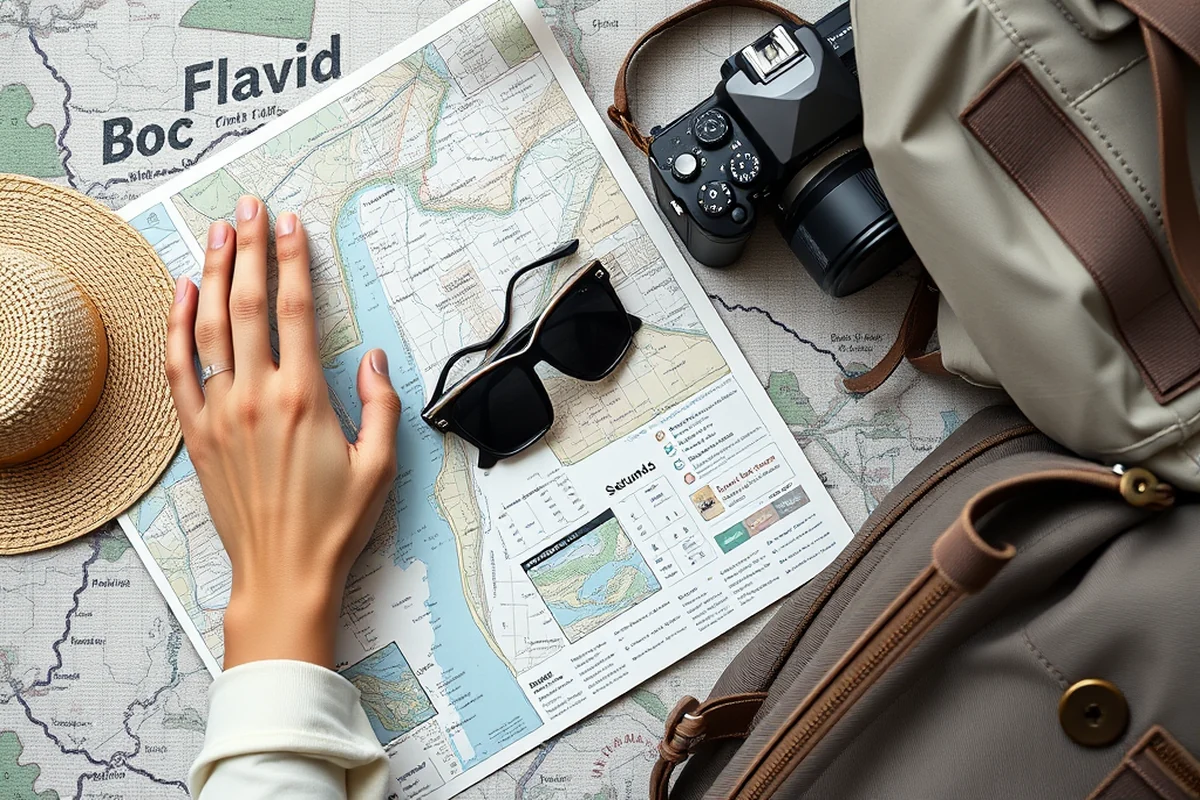
Accommodations are one of the largest expenses on any trip, so it’s important to choose wisely. I look for places that are within my budget but also offer a good balance of comfort and convenience. This might mean staying in a boutique hotel instead of a luxury resort or choosing a place with free amenities like breakfast or Wi-Fi.
I also prefer to book accommodations in advance, especially for popular destinations or during peak travel seasons. This helps me avoid the stress of last-minute bookings and ensures that I have a place to stay when I arrive.
On a recent trip to Rome, I stayed in a small, family-run hotel that was far cheaper than the major chain hotels. It was cozy, and the owner even gave me tips on the best places to eat and explore. It was a great experience, and I felt like I got more for my money.
Planning Your Itinerary
A well-planned itinerary is key to a successful trip. I like to create a loose outline of where I want to go each day, but I also leave room for spontaneity. This way, I can still enjoy the adventure of exploring without getting lost in the chaos of overbooking.
I start by listing the main attractions I want to see and then map out a route that makes sense. I also factor in travel time between destinations, so I don’t end up rushing from one place to another.
For example, on my trip to the Pacific Northwest, I mapped out a route that included six stops over four days. Each stop was spaced out to allow enough time for exploration, and I made sure to leave at least an hour between each location to avoid feeling rushed.
Staying Organized on the Go
Even the best-laid plans can change while you're on the road, so it’s important to keep your travel planning doc with you and update it as needed. I always carry a printed copy or have it saved on my phone so I can refer to it quickly.
I also like to add notes about changes in my plans. For example, if I decide to skip an activity or change my schedule, I make sure to update my doc so I can track my expenses and time accordingly.
During a recent trip to Barcelona, I had to rearrange my schedule because of a train delay. I updated my travel planning doc with the new time and even adjusted my budget to account for the extra waiting time. It was a small change, but it helped me stay organized and prepared for the rest of my trip.
A travel planning doc is your roadmap — keep it updated and you’ll never be lost.
Making the Most of Your Trip
Beyond just keeping track of bookings and budgets, your travel planning doc can help you make the most of your trip. I like to include sections for notes, reflections, and even goals I want to achieve while traveling.
For example, I set a goal on my trip to Kyoto to visit at least three temples and take photos of the cherry blossoms. I tracked my progress in my doc and even added a small checklist to keep me motivated.
I also like to include a section for reflections and lessons learned. This helps me remember the highlights of the trip and think about how I can apply what I learned to future travels.
Leveraging Local Insights for a Deeper Travel Experience
I once spent a week in Kyoto without knowing about the local 'hidden temples' until I spoke with a shopkeeper who recommended one. These temples are only known to locals and are often off the beaten path. By engaging with communities, I discovered a 15-minute walk from my accommodation that led to a serene, lesser-known shrine visited by only 100 people daily. This kind of local knowledge can transform your trip from generic to unforgettable.[4]
To tap into local wisdom, I allocate 20 minutes each day to chat with locals at markets, cafes, or small shops. I’ve learned about family-run restaurants that aren’t listed in guidebooks and local festivals that happen only once a year. One local recommended a nearby farm where I could participate in a harvest, which cost $25 and gave me an immersive experience not found in typical tourist spots.[5]
Another approach is to use local social media groups or apps like Meetup to find events or activities that cater to travelers but are curated by residents. I joined a walking tour led by a history teacher that cost $30 and gave me deeper historical context than any museum. These insights often come with a price, but the value is immeasurable — I’ve found that spending about $50-$100 on local experiences significantly enhances the overall quality of a trip.
🧾 Budget Traveler
Travel on a shoestring with a focus on free activities, hostels, and public transport.
📅 Long Weekend Escape
A short, focused trip packed with experiences in a single destination.
👨👩👧👦 With Kids
Family-friendly travel with activities, safe accommodations, and flexible itineraries.
🍂 Off-Season Travel
Travel during the off-peak season for lower prices and unique experiences.
💎 Luxury Getaway
Indulge in high-end accommodations, exclusive experiences, and personalized service.
| The mistake | Why it happens | The fix |
|---|---|---|
| Not tracking all expenses | Failing to track every expense can lead to overspending and budget overruns. | Include a section in your travel planning doc for tracking every expense — from meals to transportation — as soon as you make them. |
| Overbooking your schedule | Too many activities can lead to exhaustion and a lack of free time to enjoy the destination. | Create a loose itinerary with enough time between activities to allow for rest and spontaneous exploration. |
| Ignoring travel insurance | Travel insurance is crucial for unexpected events like flight cancellations, medical emergencies, or lost luggage. | Include travel insurance in your travel planning doc and ensure you have coverage for all aspects of your trip. |
| Booking last minute | Last-minute bookings often result in higher prices and limited availability. | Plan and book in advance to secure the best deals and ensure availability for your preferred accommodations and activities. |
Travel Planning Doc
Common Questions
How do I stay within my travel budget?
What should I include in my travel planning doc?
Can I use a paper document or should I use an app?
What if my travel plans change while I'm on the road?
Cite this guide
Eco Friendly Travel Planning (2026). Travel Planning Doc. https://greentourer.com/travel-planning-doc/
Feel free to cite or share this guide.
References
- (DOC) Tourism Planning and Development - Academia.edu (academia.edu)
- Travel Basics: Essential Information for all UCI Travelers (accounting.uci.edu)
- City of Akron and Akron Public Schools Work Together to Update ... (akronohio.gov)
- How to Plan Affordable and Efficient Study Abroad Trips (blogs.hope.edu)
- Guidelines for Planning a Trip | Bowdoin College (bowdoin.edu)