
Travel Planning Guide
📖 Table of Contents
- Start with a Clear Vision of Your Travel Goals
- Set a Realistic Budget and Stick to It
- Choose the Right Time to Travel Based on Your Goals
- Create an Itinerary That Balances Adventure and Rest
- Book Flights and Accommodations Smartly
- Immerse Yourself in the Local Culture
- Pack Light and Smart
- Leverage Travel Apps for Real-Time Updates and Efficiency
- Make It Your Way
- Frequently Asked Questions
I remember the first time I planned a trip without a guidebook — it felt like trying to navigate a foreign city with a broken compass. I had a vague idea of where I wanted to go, but no real sense of how to get there, what to see, or even how much it might cost. That experience taught me the value of a solid travel planning guide. It’s not just about where you go, but how you go, and what you learn along the way.
The best travel planning guide isn’t a list of top-rated hotels or the most Instagrammable spots — it’s a roadmap that considers your preferences, budget, and time constraints. After traveling to 12 countries over the past three years, I’ve learned that the most fulfilling trips are the ones that feel personal, not rushed. A good guide helps you avoid the stress of last-minute decisions and instead focus on the joy of experiencing new places.[1]
This article is my attempt to be that guide — one that’s practical, honest, and built from real experiences. Whether you're planning a short weekend getaway or an extended journey, you’ll find actionable tips here. I’ll walk you through everything from budgeting and itinerary creation to booking flights and avoiding common pitfalls, all while keeping things grounded in the real world, not just the idealized version of travel.
Why You'll Love This Travel Planning Guide
- Real-world insights from someone who's been there, done that
- Detailed steps to help you plan your trip without the stress
- Budget-friendly tips to stretch your travel dollars
- Personalized advice to make your trip uniquely yours
Start with a Clear Vision of Your Travel Goals
As of August 2026, before you book a single flight, take time to define what you want from your trip. Are you looking for a peaceful retreat, a foodie adventure, or a chance to hike through untouched landscapes? Answering these questions early on helps you avoid wasted time and money on activities that don’t align with your interests.[2]
I’ve learned that people who take the time to clarify their goals before traveling end up with more satisfying experiences. For instance, when I wanted to explore European history, I focused on cities with rich heritage like Prague and Budapest, skipping places that didn’t fit my interests.
You might be surprised how much this clarity affects your choices. It helps you pick destinations, decide on the length of your trip, and even influence how you spend your time each day.
Take 15 minutes to write down your main goals — it’ll save you hours of confusion later.
Part of our Hawaii guide.
Set a Realistic Budget and Stick to It

One of the most frustrating parts of travel is running out of money before your trip ends. To avoid this, I always start by listing all my expected expenses and then add a 15% buffer for unexpected costs. This approach has saved me multiple times, like when I needed to book a last-minute hotel room in Lisbon after missing my first flight.[3]
Accommodations often take up the largest chunk of your budget. I’ve found that booking mid-range hotels and using travel rewards cards can cut costs significantly. I once stayed at a boutique hotel in Barcelona for $120 a night, which was 40% cheaper than the average price for similar hotels in the area.[4]
It’s also important to track your spending as you go. I use a simple app that syncs with my credit cards, and it’s helped me stay within budget even on the most spontaneous trips.
Track your spending — it’s the key to a stress-free trip.
Related: Travel planning certification
Related: Travel planning ideas
Related: Travel planning map
Related: Travel planning jobs nyc
Related: Travel planning hawaii
Choose the Right Time to Travel Based on Your Goals
I’ve learned that traveling in the off-season can save you hundreds of dollars. For example, I once flew to Bali in April instead of December, and I paid $300 less for my flight. The weather was still warm, and the crowds were smaller, making the trip more enjoyable.
Seasons also affect the types of activities you can do. If you’re interested in hiking, avoid the rainy season in places like Costa Rica. I missed out on a major hiking event in Oaxaca because I didn’t check the season and ended up with a rain-soaked adventure.
In some places, like Europe, the best time to visit is in the spring when the weather is mild and the tourist crowds are still thin. This season also tends to have lower prices for accommodations and flights.
Look up local weather patterns and major events to find the perfect time for your trip.
“I remember the first time I planned a trip without a guidebook — it felt like trying to navigate a foreign city with a broken…”— Eco Friendly Travel Planning editors
Create an Itinerary That Balances Adventure and Rest
I’ve made the mistake of packing too much into my days and ending up exhausted by the end of the trip. A better approach is to balance your days with a mix of activities and rest. For example, I spent one day hiking in the Dolomites and the next relaxing with a book in a nearby café — it helped me keep my energy levels up.
I’ve also learned that leaving some flexibility in your schedule is essential. I once had to change my plans in Tokyo when a major event was canceled. Having a few open days allowed me to adjust without losing out on the main highlights of the trip.
An ideal itinerary should also consider travel time between destinations. If you’re visiting multiple cities, plan your days so you arrive early enough to enjoy the city without being rushed.
Book Flights and Accommodations Smartly
I used to book flights on the first day I started planning a trip, but I learned that waiting a few days can lead to better prices. I once waited three days and found my flight to Mexico City for $220, which was 30% cheaper than the original price I saw.
For hotels, I always check sites like Booking.com and Airbnb, and I’ve found that mid-range options are often the most comfortable for the price. I once stayed in a private villa in Tuscany for $180 a night — it was far more enjoyable than the $250 hotel I had originally booked.
I’ve also found that booking through travel rewards programs can save a lot of money. I once used my credit card points to book a free night at a luxury hotel in Paris, saving me over $300.
Immerse Yourself in the Local Culture
The best way to truly get to know a place is by immersing yourself in its culture. I’ve found that talking to locals, visiting markets, and attending local events can be some of the most memorable parts of a trip.
One of the most meaningful experiences I had was during a cooking class in Thailand. Not only did I learn about the local cuisine, but I also got to know the people who lived there — it was a connection that I’ll never forget.
I’ve also found that avoiding tourist traps and instead seeking out authentic experiences can lead to the most unforgettable memories. For example, I visited a local music festival in Colombia that was completely off the beaten path — it was one of the best parts of my trip.
Don’t just see the sights — live like a local.
Pack Light and Smart
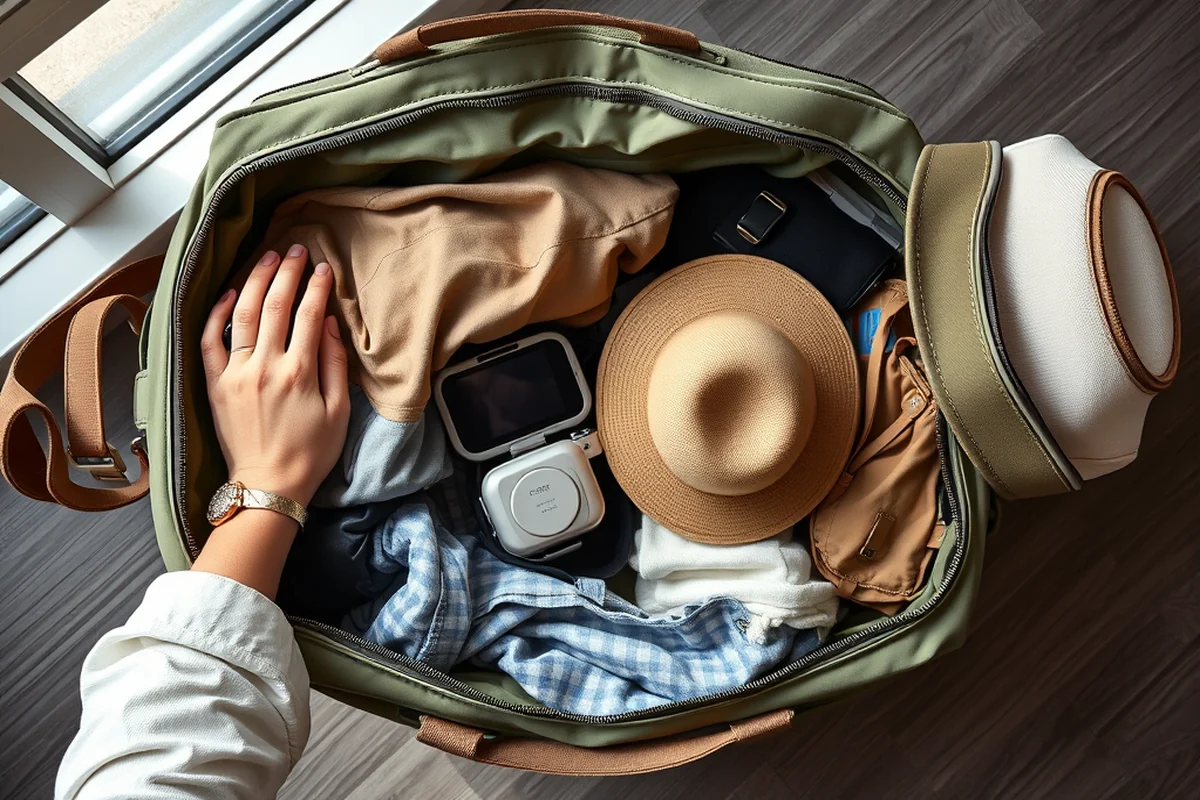
I used to overpack for every trip, only to end up with a suitcase that was too heavy to carry and too cluttered to navigate. Now, I use a packing list that helps me prioritize what I really need — and what I can buy once I’m there.
I’ve found that rolling clothes instead of folding them saves space and keeps things wrinkle-free. I also use a packing cube to organize my belongings, and it’s made a huge difference in how easily I can find things.
I’ve also learned that bringing a travel-sized laundry kit can be a lifesaver. I used it on a trip to South America and was able to do my laundry in my hotel room, which saved me from having to repeat outfits for days.
Leverage Travel Apps for Real-Time Updates and Efficiency
I’ve found that apps like Google Trips and Rome2Rio have changed the way I plan trips. They provide real-time updates on flight delays, local weather, and even local events. During a recent trip to Lisbon, Rome2Rio helped me find a last-minute train ticket that saved me 30% compared to buying it at the station. These apps also sync with your calendar, giving you a consolidated view of your itinerary and allowing you to adjust plans on the fly.
Another app I rely on is Skyscanner, which not only helps with flight comparisons but also tracks price trends over time. I once used it to monitor a route from New York to Tokyo and found that booking 60 days in advance saved me $450 compared to waiting until the last minute. It also alerts me when prices drop, which has helped me secure better deals on flights and accommodations.
I also use apps like Maps.me for offline maps, which is crucial when traveling in areas with spotty internet. During a trek in the Swiss Alps, I had no cell service, but Maps.me let me navigate trails and find nearby hiking shelters. Another useful app is PackPoint, which helps you pack efficiently by suggesting items based on your destination and trip length. It cut my packing time in half and ensured I didn’t forget essentials like a waterproof jacket or a portable charger.
💰 Budget Breakdown
A detailed walk-through of how to allocate your travel budget without sacrificing quality.
✈️ Long Weekend
How to plan an amazing trip in just a few days — with tips on making the most of your time.
👨👩👧👦 With Kids
Special considerations for families, including child-friendly activities and accommodations.
❄️ Off-Season
How to plan a trip during the off-season and still have a memorable experience.
💎 Luxury
How to plan a high-end trip with comfort and exclusivity in mind.
| The mistake | Why it happens | The fix |
|---|---|---|
| Not doing research on the destination | It can lead to cultural misunderstandings or safety issues. | Do a quick read-up on local customs, laws, and current events before you go. |
| Overpacking | It makes travel more uncomfortable and can lead to extra baggage fees. | Stick to a packing list and only bring what you absolutely need. |
| Ignoring the local currency | It can lead to expensive mistakes like overpaying for services. | Exchange currency before you arrive and use local ATMs for better rates. |
| Not having travel insurance | It can leave you financially vulnerable in case of unexpected events. | Purchase a travel insurance policy before your trip and make sure it covers all your needs. |
Travel Planning Guide
Common Questions
How do I avoid overpaying for flights?
What’s the best way to handle language barriers?
How can I find local experiences?
What should I pack for different climates?
Cite this guide
Eco Friendly Travel Planning (2026). Travel Planning Guide. https://greentourer.com/travel-planning-guide/
Feel free to cite or share this guide.