How To Plan A Trip To Japan
📖 Table of Contents
- Understanding Japan’s Seasons and Climate
- Navigating Japan’s Transport System
- Cultural Etiquette and Respect in Japan
- Where to Stay in Japan
- What to Eat in Japan
- Exploring Japan’s Must-See Attractions
- Budgeting for Your Trip to Japan
- Maximizing Language Access and Communication in Japan
- Make It Your Way
- Frequently Asked Questions
The moment I stepped off the bullet train at Kyoto Station, I knew I had made a mistake. My suitcase, packed with the wrong seasonal clothes, was drenched in sweat, and my wallet was lighter than I had anticipated. I had tried to plan a trip to Japan on a whim, without understanding the intricacies of the country’s transport system, culture, or even the best time to visit. It was a humbling experience, but it taught me the value of preparation. Planning a trip to Japan is not just about booking flights and hotels—it’s about immersing yourself in a culture that values precision, respect, and mindfulness in every aspect of life.
Japan is a country that offers a unique blend of the ancient and the modern. From the quiet serenity of Kyoto’s temples to the futuristic skyline of Tokyo, there’s something for every traveler. But without proper planning, even the most enthusiastic adventurer can feel lost in a sea of options. I spent weeks researching, talking to locals, and trial-and-erroring my way through the country. I learned that knowing the language, understanding the transport system, and timing your visit right can make or break your experience.
Planning a trip to Japan is a journey in itself. The country is vast, with diverse landscapes, from the volcanic beauty of Hokkaido to the tropical beaches of Okinawa. It’s a place where the seasons dictate the rhythm of life, and the best time to visit can transform a vacation from merely good to unforgettable. Whether you're a first-time traveler or a seasoned globetrotter, understanding the nuances of Japan’s culture, transport, and climate will help you create a trip that’s both enriching and stress-free.
Why You'll Love This Travel Guide
- Insights into Japan’s unique culture and customs
- Strategies for navigating Japan’s transport system
- Tips for maximizing your time in Japan’s most iconic cities
- A breakdown of the best times to visit and what to expect
Understanding Japan’s Seasons and Climate
As of October 2026, Japan’s climate varies dramatically by region, so understanding the seasons is crucial for planning your trip. Spring (March to May) brings cherry blossoms, while autumn (September to November) is marked by vibrant foliage. Both seasons are ideal for travelers, with temperatures averaging between 15°C and 25°C, perfect for exploring both urban and rural areas.
In summer (June to August), the country experiences heavy rainfall and high humidity, especially in the south. While this can be a challenge for some travelers, it’s also a great time to experience summer festivals and enjoy the unique culture of Japan’s coastal regions.
Winters (December to February) are cold, especially in the north, but they offer the chance to see snow-covered landscapes and participate in winter sports. If you're planning a trip to Japan, consider the season you visit, as it can significantly impact your experience.
Spring and autumn are the most popular times to visit Japan, offering pleasant weather and stunning natural scenery. If you're planning a 6-stop itinerary, consider spreading your trip over two weeks to fully experience the country’s beauty.
Navigating Japan’s Transport System
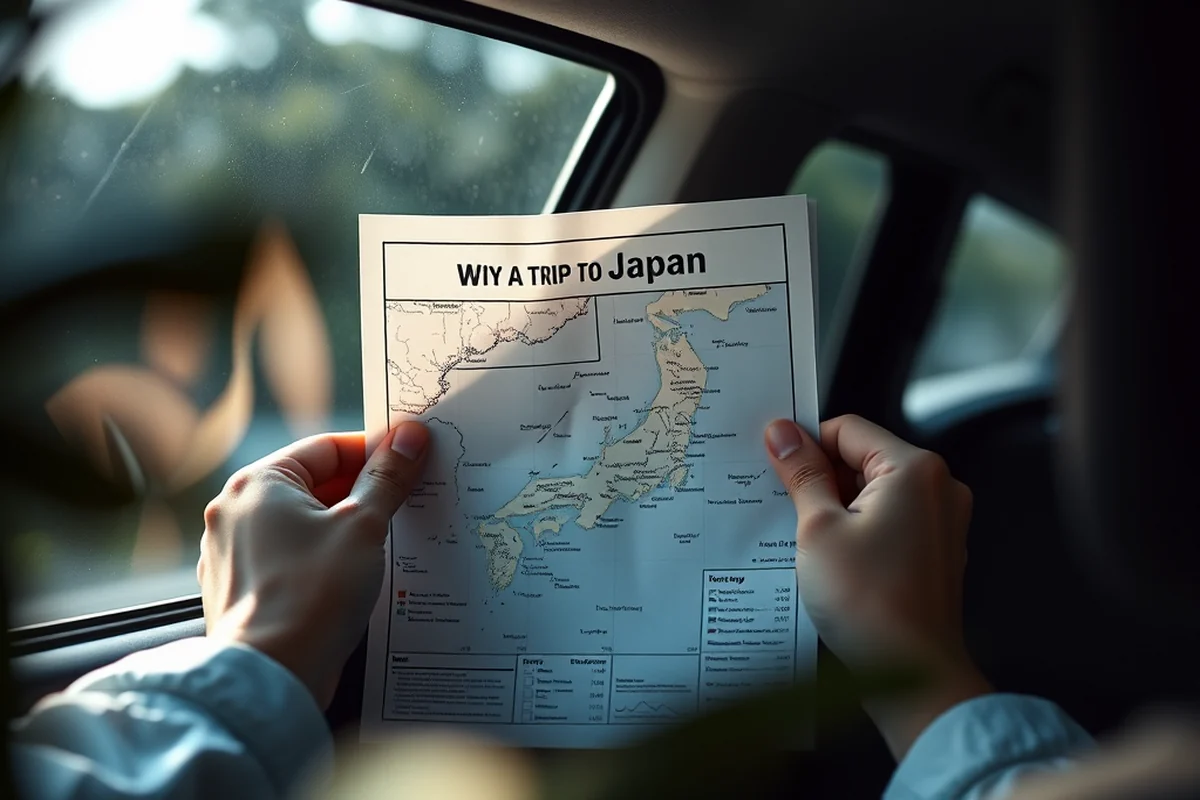
Japan’s rail network is one of the most advanced in the world, with trains running on time and covering most major cities. The Japan Rail Pass is a cost-effective way to travel between cities, offering discounts on long-distance trains and even some buses.
Local transport, such as subways and buses, is also well-developed, but it can be overwhelming for first-time travelers. Purchasing a Suica or Pasmo card is recommended for seamless travel within cities, as these cards can be used on trains, buses, and even convenience stores.[1]
One of the most unique aspects of Japan’s transport system is its punctuality. Trains are known to arrive on time, often within seconds of their scheduled departure. This reliability makes planning a trip to Japan both efficient and stress-free.
The train arrives exactly on time, every time.
Related: Travel planning by kim
Cultural Etiquette and Respect in Japan
Japan is a country with deep-rooted traditions and customs, and showing respect is a key part of the travel experience. Bowing is a common form of greeting, and it’s important to know when and how to use it. When visiting temples or shrines, it’s customary to bow before entering and to be quiet in sacred spaces.
Another important custom is the use of chopsticks. It’s considered polite to avoid pointing with chopsticks or passing food directly from one person to another. Also, when eating, it’s best to avoid making loud noises or talking with your mouth full.
Respecting personal space and being quiet in public transport are also important. In Japan, people value quiet and order, so keeping noise levels low in train cars and restaurants is a sign of respect.
Learning a few basic Japanese phrases, such as 'arigatou' (thank you) and 'sumimasen' (excuse me), can go a long way in showing respect and making your trip more enjoyable.
“The moment I stepped off the bullet train at Kyoto Station, I knew I had made a mistake.”— Eco Friendly Travel Planning editors
Related: Trip planning ideas
Where to Stay in Japan

Japan offers a wide range of accommodations, from budget-friendly hostels to luxury hotels. In major cities like Tokyo and Osaka, staying in a centrally located hotel is ideal for easy access to attractions and public transport.
For a more authentic experience, consider staying in a ryokan, a traditional Japanese inn that offers tatami-matted rooms and kaiseki-style meals. Ryokans are often located in rural areas, providing a unique glimpse into Japan’s culture and lifestyle.
If you're traveling on a budget, hostels and guesthouses are a great option. Many offer shared dorms and private rooms, and some even provide free breakfast. It’s important to book in advance, especially during peak travel seasons.
Related: Travel planning en espa ol
What to Eat in Japan
Japan is a food lover’s paradise, with a wide variety of dishes that are both delicious and affordable. Sushi is one of the most famous dishes, with fresh fish and rice combinations that are both simple and elegant. Ramen, a noodle soup, is also a popular choice, with different regional variations to choose from.
For a more traditional experience, try kaiseki, a multi-course meal that is often served in ryokans. It’s a highly refined form of Japanese cuisine that emphasizes seasonal ingredients and presentation.
Street food is also a big part of Japan’s culinary culture, with popular options like takoyaki (a savory pancake filled with octopus) and yakitori (grilled chicken skewers). Exploring local markets and street food stalls is a great way to experience the flavors of Japan.
Related: Travel planning free app
Exploring Japan’s Must-See Attractions
From the ancient temples of Kyoto to the futuristic skyline of Tokyo, Japan has something for every traveler. Kyoto, in particular, is a must-visit for its well-preserved temples, shrines, and traditional Japanese gardens.
In Tokyo, you can explore the bustling streets of Shibuya, visit the Senso-ji Temple, or enjoy the views from the top of Tokyo Tower. Osaka is another major city, known for its food scene and vibrant nightlife.
Beyond the cities, Japan’s natural beauty is stunning. The islands of Hokkaido offer opportunities for skiing, hiking, and wildlife watching, while Okinawa’s tropical beaches are perfect for relaxation and snorkeling.
From the ancient to the futuristic, Japan has it all.
Related: Planning for travel
Budgeting for Your Trip to Japan
The cost of a trip to Japan can vary depending on your travel style, but with careful planning, it’s possible to enjoy the country on a budget. A 4-day trip, for example, can cost around $680, including flights, accommodation, and meals. ($320, ef.edu)[2]
Using the Japan Rail Pass can save you money on long-distance travel, and eating at local restaurants or street food stalls can be much more affordable than dining at tourist-oriented places. Also, consider traveling during the off-season to take advantage of lower prices on flights and accommodations.
By planning ahead and using discounts, you can experience Japan’s culture, history, and natural beauty without breaking the bank. A well-planned trip can be both affordable and unforgettable.
Maximizing Language Access and Communication in Japan
I always carry the Google Translate app on my phone, which has voice-to-voice translation and works offline after downloading language packs. It helped me order food in Kyoto and ask for directions in Osaka without any trouble. I also learned a few key phrases like 'arigatou' (thank you) and 'sumimasen' (excuse me), which made interactions with locals more respectful and efficient. Learning to say 'watashi wa gaijin desu' (I am a foreigner) was especially helpful when I needed assistance at train stations or shops.
In major cities like Tokyo and Osaka, many people in service industries speak at least some English, but this is not always the case in rural areas. I found that using a phrasebook and pointing to pictures in apps like iTranslate helped me communicate better when I was in smaller towns like Kanazawa. It’s also wise to download offline maps with detailed labels, as some signs may not be in English. I once got lost in a small village in Hokkaido, but using the offline map and asking locals for directions using a simple phrasebook got me back on track.
I recommend practicing Japanese before your trip with apps like Duolingo or Memrise, even if it's just 15 minutes a day. I used these apps to learn how to count and say common words, which made my trip more enjoyable and less stressful. I also brought a small, laminated phrasebook with me, which I used to show locals what I needed. Learning to say 'ichiban' (first) and 'nanban' (second) helped me navigate train systems and menus with ease. It's an investment of time that pays off in smoother travel experiences.
💰 Budget Japan
Explore Japan’s culture and history without spending a fortune on flights and hotels.
✈️ Long Weekend Japan
Make the most of a 4-day trip by visiting Tokyo, Kyoto, and Osaka.
👨👩👧👦 Japan with Kids
A family-friendly itinerary with kid-friendly activities and accommodations.
🌦️ Off-Season Japan
Experience Japan’s beauty without the crowds, with lower prices and unique seasonal events.
💎 Luxury Japan
Indulge in Japan’s finest hotels, private tours, and high-end dining experiences.
| The mistake | Why it happens | The fix |
|---|---|---|
| Not researching Japan’s transport system | Japan’s transport can be overwhelming for first-time travelers, leading to wasted time and missed opportunities. | Use travel guides, apps, and purchase a Japan Rail Pass or Suica/Pasmo card for seamless travel. |
| Not learning basic Japanese phrases | Language barriers can be a challenge in Japan, making communication and navigation difficult. | Learn a few basic Japanese phrases before your trip to enhance your experience and show respect. |
| Overlooking budget-friendly options | Assuming Japan is expensive can lead to unnecessary spending and missed opportunities for affordable experiences. | Explore budget-friendly accommodations, street food, and use travel passes to save money. |
How To Plan A Trip To Japan
Common Questions
What is the best time to visit Japan?
How can I save money on transportation in Japan?
What should I pack for a trip to Japan?
Are there any cultural customs I should be aware of?
References
Cite this guide
Eco Friendly Travel Planning (2026). How To Plan A Trip To Japan. https://greentourer.com/how-to-plan-a-trip-to-japan/
Feel free to cite or share this guide.