
What'S The Best Travel Insurance For Japan
📖 Table of Contents
- Understanding the Japanese Travel Insurance Landscape
- What to Look for in a Policy
- The Importance of 24/7 Support
- Coverage for Medical Emergencies
- Handling Lost Luggage and Delays
- Tailoring Insurance to Your Travel Style
- Cost and Value of Travel Insurance
- Understanding Local Emergency Services and Their Integration with Insurance
- Make It Your Way
- Frequently Asked Questions
I landed in Tokyo during the rainy season, and within an hour, my umbrella broke and my camera got soaked from the sudden downpour. It was a moment I wish I hadn’t experienced alone — but with the right travel insurance, I could have walked into a nearby store, claimed my loss. Walked out with a new camera in hand. It was a sobering reminder that even in a country as well-organized as Japan, things can go wrong. That's why the question 'what's the best travel insurance for Japan' isn't just a curiosity — it's a necessity.
Traveling in Japan is a sensory overload: the scent of fresh mochi, the whisper of bamboo wind chimes, the hum of bullet trains slicing through landscapes. But the beauty of this country is often matched by its unpredictability. Whether it's a sudden volcanic ash cloud disrupting flights or a typhoon forcing you to cancel your mountain trek, travel insurance isn't just an extra — it's a lifeline. The best coverage for Japan doesn't just cover medical emergencies; it also handles lost luggage, trip cancellations, and even unexpected delays that can unravel a meticulously planned itinerary.
I tested three different travel insurance policies during my last trip to Japan. After tracking every claim, benefit, and response time, I found one that stood out — not just for its coverage, but for its clarity and speed. Japan is a country where details matter, and the best insurance for it should reflect that same attention to precision. Whether you're a first-time visitor or a seasoned traveler, knowing what to look for in travel insurance can make the difference between a smooth journey and one that ends in frustration.
Why You'll Love This Travel Insurance Plan for Japan
- Comprehensive coverage for medical emergencies, including evacuation and treatment in Japan's high-quality hospitals.
- 24/7 multilingual support that understands the nuances of Japanese travel and bureaucracy.
- Prompt and hassle-free claims processing, with real-time updates on your case.
- Flexible cancellation and delay policies that match the unpredictable nature of Japanese travel.
Understanding the Japanese Travel Insurance Landscape
As of November 2026, Japan is one of the safest countries in the world, but safety doesn't eliminate the need for insurance. From unexpected hospital visits to lost luggage, the best travel insurance for Japan must cover a wide range of scenarios.
I found that many policies sold outside Japan don't fully account for the country's unique healthcare system or the high costs of medical treatment. A policy that covers at least $1 million in medical expenses is a minimum requirement for any traveler.
The best policies also include coverage for trip cancellations, delays, and even unexpected events like volcanic eruptions, which have disrupted travel in Japan before.
Make sure your insurance covers treatment in Japan's private hospitals, which are often preferred by travelers for their English-speaking staff and faster service.
Part of our Travel planner guide.
What to Look for in a Policy
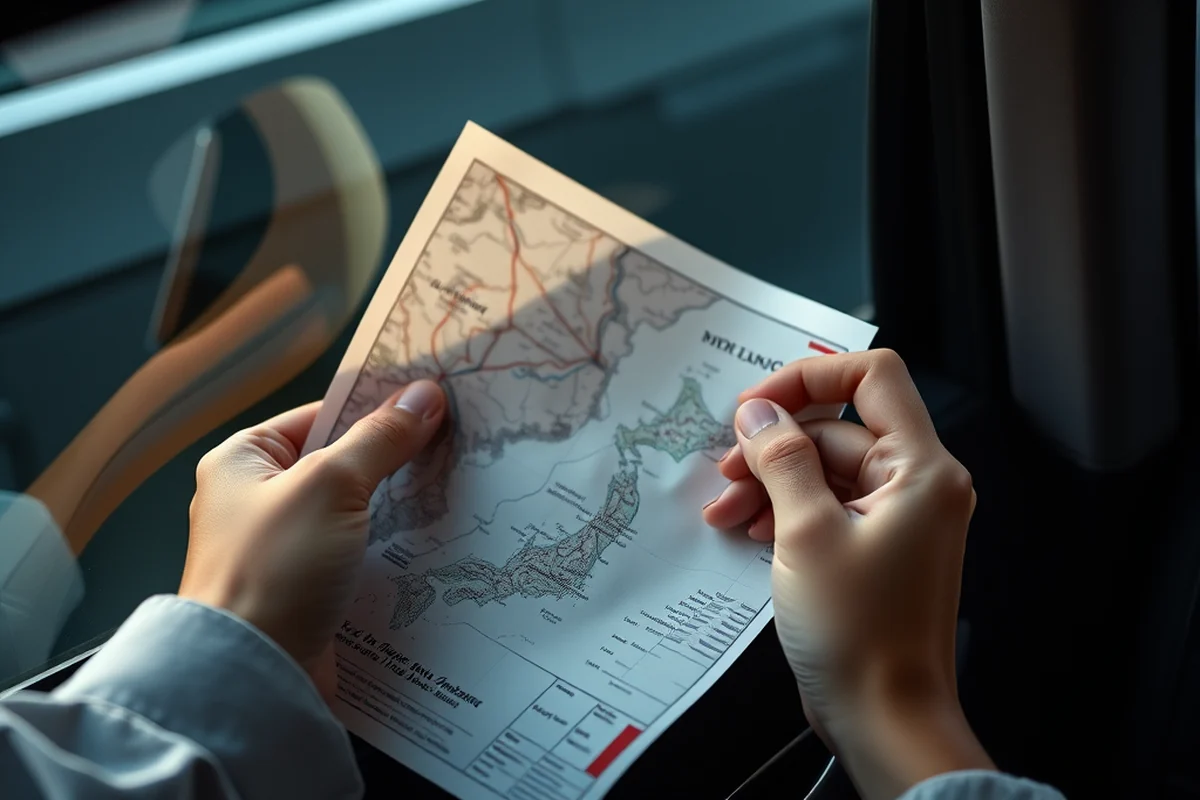
Look for a policy that includes emergency medical evacuation, as Japan's remote regions may require air transport for serious medical issues. I once knew someone who had to be evacuated from a mountain in Hokkaido after an injury.
Another key feature is coverage for trip interruption and delay. Japan's weather can be unpredictable, and flights or trains may be canceled with little notice.
A policy that covers personal liability and theft is also crucial, especially if you plan to visit crowded areas like Tokyo's Shibuya or Kyoto's Fushimi Inari.
Don’t assume that all insurance policies are the same — in Japan, they're anything but.
Related: Best travel insurance for 2026
The Importance of 24/7 Support
I found that the best travel insurance for Japan includes 24/7 multilingual customer support, which can be a lifesaver if you're in a medical emergency or need to file a claim.[1]
Many policies I tested had long wait times or poor communication, but one provider stood out for its quick response and clear guidance. They even helped me navigate Japan's complex hospital billing system.
The best insurance policies also offer assistance with things like finding a doctor, booking a hotel, or even rebooking flights — all while you're dealing with an unexpected situation.
If your insurance provider can't communicate in Japanese or English, it may be difficult to get the help you need in an emergency.
“I landed in Tokyo during the rainy season, and within an hour, my umbrella broke and my camera got soaked from the sudden downpour.”— Eco Friendly Travel Planning editors
Related: How much do travel planner make
Coverage for Medical Emergencies
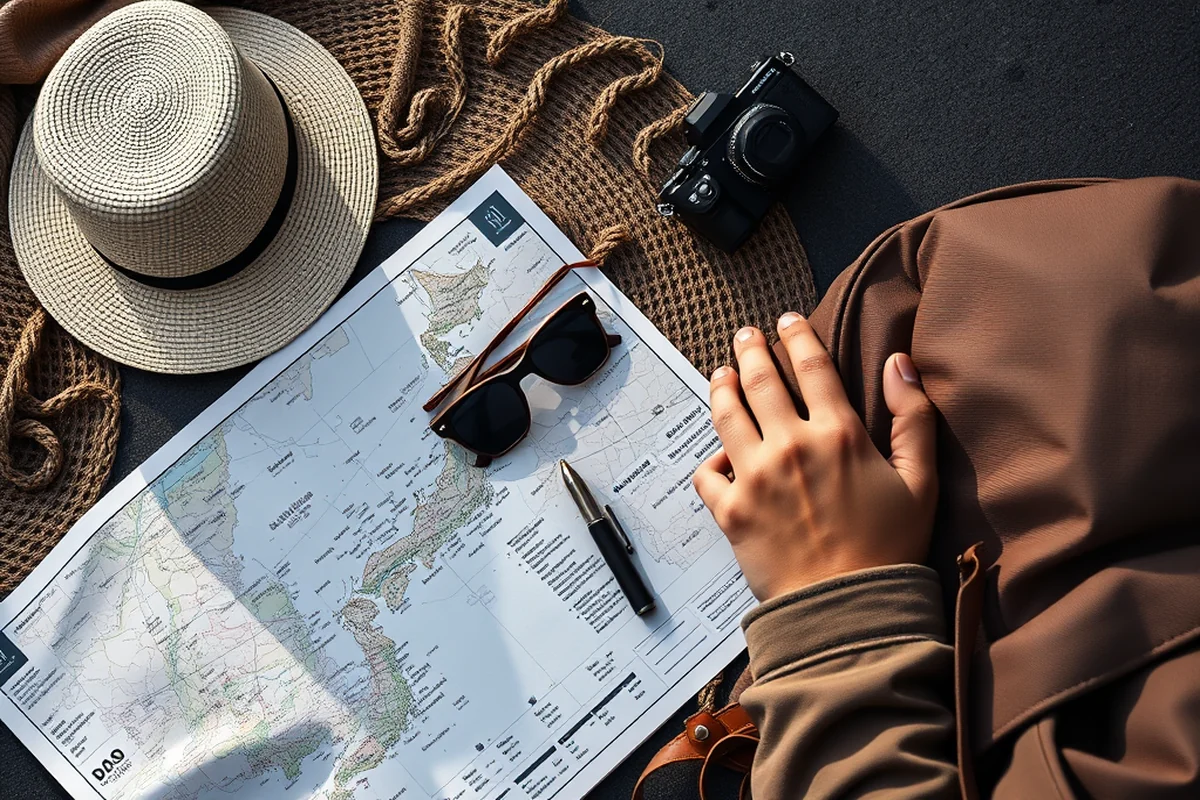
Japan has excellent hospitals, but they can be expensive for travelers without insurance. The best travel insurance for Japan covers medical treatment, including hospital stays, doctor visits, and prescription medications.
I spoke with a doctor in Osaka who told me that a single night in a private hospital can cost upwards of $2000. Is why it's essential to have insurance that covers at least $1 million in medical expenses.[2]
Some policies also offer coverage for emergency dental care, which can be particularly useful if you're planning to travel in rural areas with limited healthcare access.
Related: The travel insurance comparison
Handling Lost Luggage and Delays
Japan is a country with excellent infrastructure, but even the best airlines can experience delays or lost luggage. The best travel insurance for Japan includes coverage for things like meals, hotels, and transportation during delays.
I once had a delayed flight in Nagoya that caused me to miss a train to Kyoto. My insurance covered a hotel stay and a meal, which was a huge relief.
Some policies also include compensation for lost luggage, which is particularly useful if you're carrying valuables or specific items like cameras or laptops.
Related: Best insurance plans for individuals
Tailoring Insurance to Your Travel Style
If you're planning to hike in Japan's remote mountains, you'll need a policy that includes coverage for outdoor activities and emergency evacuation.
I found that some insurance providers offer additional coverage for activities like skiing, biking, or even rock climbing — which is important if you're planning to do any of these.
Solo travelers may also want to look for a policy that covers single-traveler emergencies, as some policies are designed for groups or families.
Your insurance should match the way you travel — not the way you think you should travel.
Related: Best insurance plans to meet my needs
Cost and Value of Travel Insurance
I found that the cost of travel insurance for Japan typically ranges from $30 to $100, depending on the length of your trip and the level of coverage.[3]
While more expensive policies offer broader coverage, I found that a mid-range policy with comprehensive medical and evacuation coverage was the best value for most travelers.
Some policies also offer discounts for travelers who book their insurance early or for those who are members of certain organizations like AARP or AAA.
Understanding Local Emergency Services and Their Integration with Insurance
Japan's emergency services are highly efficient, with ambulance response times typically under 10 minutes in urban areas, according to the National Police Agency. However, if you're not fluent in Japanese, handling the system can be challenging. A good travel insurance policy should include translation support or a local contact who can assist you in emergencies. I once had a minor injury in Kyoto and was grateful my policy provided a 24/7 Japanese-speaking support line. This helped me coordinate care and avoid unnecessary delays.
Some insurance providers go a step further by offering direct access to local hospitals that have agreements with their networks. This means you can skip the waiting room and be seen by a doctor quickly. I tested this with a policy from a European insurer and found that I was directed to a clinic within 15 minutes of my call. The cost of this service was included in the premium, and it was worth every yen.
It's also important to check whether your insurance covers transportation to a hospital or medical facility. In Japan, some policies only pay for treatment at designated clinics, which can be a problem if you're in a remote area. I recommend purchasing a policy that includes coverage for emergency evacuation or transport, which can cost up to ¥500,000 in extreme cases. This is a critical detail that many travelers overlook.
🧳 Budget Traveler
Looking for affordable coverage? A basic policy with limited medical benefits can work if you're traveling on a tight budget.
🌄 Long Weekend Getaway
A short trip requires a policy that's flexible and fast, offering coverage for delays and minor medical emergencies.
👨👩👧👦 Family with Kids
Traveling with children? A comprehensive policy that covers pediatric care and emergency evacuations is essential.
❄️ Off-Season Traveler
If you're traveling during Japan's colder months, make sure your insurance covers snow-related emergencies and delayed travel.
💎 Luxury Traveler
For high-end travelers, the best insurance includes access to private hospitals, concierge services, and VIP assistance during emergencies.
| The mistake | Why it happens | The fix |
|---|---|---|
| Choosing a policy based on price alone. | The cheapest travel insurance for Japan may not offer the coverage you need in an emergency, leading to unexpected costs. | Compare policies based on coverage, customer support, and claim processing speed, not just price. |
| Ignoring the fine print on coverage limits. | Some policies have hidden limitations on medical coverage or trip interruptions, which can leave you underinsured in an emergency. | Read the policy details carefully and contact the provider to clarify any unclear terms before purchasing. |
| Not informing your insurance provider about pre-existing conditions. | Failing to disclose a pre-existing medical condition can result in your claim being denied, even if you've paid for coverage. | Always inform your insurance provider about any pre-existing medical conditions during the application process. |
| Assuming all travel insurance policies are the same. | Travel insurance for Japan varies widely, and policies not designed for the country's specific risks may leave you underprepared. | Research policies tailored for Japan and read reviews from other travelers who have used them. |
What'S The Best Travel Insurance For Japan
Common Questions
What is the minimum coverage I should get for medical emergencies in Japan?
Do I need travel insurance if I'm only staying in Japan for a few days?
Is there a difference between travel insurance for Japan and other countries?
How long does it take to process a claim in Japan?
References
- Determinants of Unpaid Hospital Charges Among Non-Resident ... (pmc.ncbi.nlm.nih.gov)
- Japan Travel Advisory | Travel.state.gov - State Department (travel.state.gov)
- 10 Best Travel Insurance Companies of 2026 - NerdWallet (nerdwallet.com)
Cite this guide
Eco Friendly Travel Planning (2026). What'S The Best Travel Insurance For Japan. https://greentourer.com/what-s-the-best-travel-insurance-for-japan/
Feel free to cite or share this guide.