
Travel Planner Hawaii
📖 Table of Contents
- Choosing Your Islands: Where to Go and Why
- Where to Stay: Finding the Perfect Basecamp
- Getting Around: Transportation Tips for First-Timers
- What to Do: Activities That Define a Hawaiian Trip
- Dining Like a Local: Eating Your Way Through Hawaii
- Packing Essentials: What to Bring (and What to Leave Behind)
- Budgeting for Your Trip: How to Stay Within Your Means
- Make It Your Way
- Frequently Asked Questions
I remember the first time I stood on the black sand of Punaluʻu Beach, feeling the volcanic gravel crunch beneath my feet and the ocean waves lapping at my ankles. That moment, the raw beauty of Hawaii, is what inspired me to create this travel planner. Traveling here isn't just about sunsets and cocktails; it's about connecting with the land, culture, and rhythm of life that only this place can offer. Whether you're a first-time visitor or a returning traveler, this guide will show you how to plan a trip that's both memorable and meaningful.
I've spent years exploring every corner of the Hawaiian Islands, from the rainforests of Kauai to the bustling markets of Waikiki. Over time, I've learned that the best trips are the ones that balance adventure with relaxation, exploration with reflection. This guide is born from that experience — it's not a generic list of things to do, but a blueprint for a trip that feels personal, immersive, and tailored to your needs. Travel planner Hawaii isn't just about getting there; it's about making the most of every moment you're there.
Traveling to Hawaii is a once-in-a-lifetime experience, but it's not without its challenges. I've seen travelers overwhelmed by the options, overbooked with tours, or missing the hidden gems that make this place special. That's why I created this guide — to help you avoid common pitfalls and instead focus on the real magic of the islands. Whether you're planning a 4-day escape or a two-week adventure, this travel planner Hawaii will give you the tools, tips, and inspiration to make your trip unforgettable.
Why You'll Love This Travel Planner Hawaii
- Real-life insights from someone who's been there, seen the sunrise from Haleakalā, and hiked through rainforests.
- A balance of adventure, culture, and relaxation — the perfect formula for a Hawaiian escape.
- Tailored tips that help you avoid common mistakes, like overspending on tours or missing the best beaches.
- A focus on immersion — you'll leave with more than just photos, you'll have a deeper connection to the islands.
Choosing Your Islands: Where to Go and Why
As of August 2026, Oahu, home to Waikiki and Honolulu, is the most popular and easiest to reach. It's ideal for first-time visitors and those who want a mix of culture, beaches, and adventure. Maui is a dream for nature lovers, with its dramatic cliffs, Haleakalā National Park, and world-class snorkeling spots. Kauai is all about raw, untouched beauty — think waterfalls, rainforests, and the famous Na Pali Coast. Big Island offers the most diversity — from black sand beaches to active volcanoes — and is perfect for those who want to experience the full range of Hawaii's landscapes.[1]
Each island has its own climate and season, so timing is key. Spring is often considered the best time to visit, as the weather is pleasant and the crowds are fewer. However, if you're traveling in the summer, be prepared for more rain on the windward sides of the islands. Winter months can be excellent for whale watching, especially in Maui and the Big Island, where humpback whales migrate between December and April.
To help you decide, I've created a simple checklist of what each island offers. For example, if you're looking for a family-friendly, easygoing trip, Oahu is the way to go. If you're seeking adventure and solitude, Kauai might be the perfect escape. Whatever your preference, knowing the unique offerings of each island will help you craft a trip that's uniquely yours.
If you're visiting Kauai, aim for April through September for the best snorkeling and fewer rain showers. Maui is at its best from October to March, when the water is calm and the whale watching season peaks. The Big Island is a year-round destination, but summer months bring more rain and fewer crowds.
Part of our Travel planner guide.
Where to Stay: Finding the Perfect Basecamp
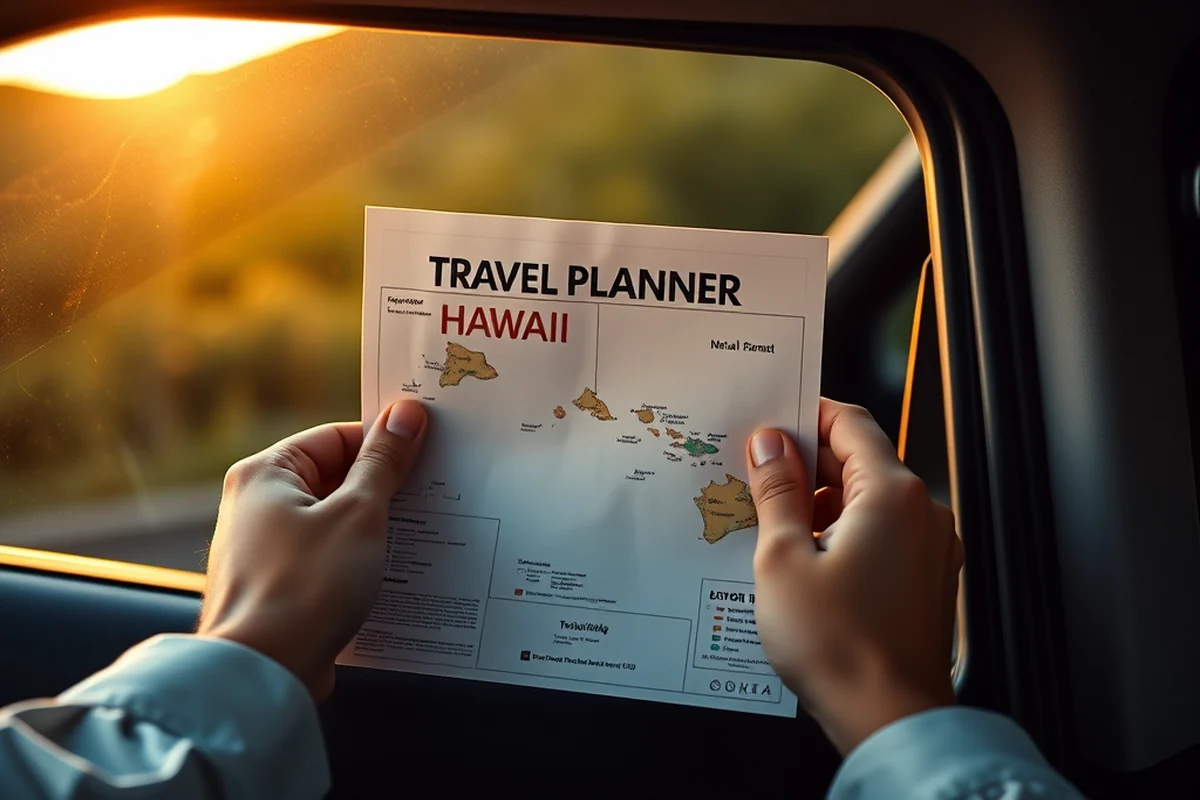
On Oahu, I recommend staying in Waikiki if you want easy access to shops, dining, and nightlife. It's also a great base for day trips to the North Shore, Diamond Head, or the Waianae Mountains. For a more secluded and tranquil experience, consider staying in the Ko Olina area, where you can enjoy the beach without the crowds.[2]
Maui's best spots for lodging are in the Kihei or Lahaina areas, both of which offer great access to beaches and cultural attractions. If you're up for a challenge, the Haleakalā summit is worth the early morning trek — the sunrise views are nothing short of magical.
Kauai is all about immersion in nature. Staying in Poipu or Hanalei is ideal, as these areas offer proximity to both the beach and the rainforest. Many eco-lodges offer guided tours, which are a great way to explore the island's unique ecosystems without the hassle of planning on your own.
The Big Island is vast, so I suggest focusing on one area based on your interests. If you're into volcanoes and geology, Hilo is the way to go. If you're more into beaches and snorkeling, consider staying in Kailua-Kona, where the water is clear and the ocean is alive with marine life.
Stay where you can wake up to the sound of waves and the scent of tropical flowers.
Related: Travel planner ideas
Related: Travel planning for europe
Related: Travel planner guide
Related: How.Much Do Travel Planner Make
Related: Best travel insurance for 2026
Related: What Is A Route Planner
Related: Kemper Auto Insurance
Related: Mta Trip Planner
Related: What Is Insure On The Spot
Related: Eco Friendly Travel Planner
Related: The Travel Insurance Comparison
Related: What Is Insurify Auto Insurance
Related: What Is A Travel Planner
Related: What Is Liberty Insurance
Related: What'S The Best Travel Insurance For International Travel
Related: Amica Car Insurance
Related: Liberty Mutual Claims
Related: Metro Transit Trip Planner
Related: What Is Usaa Travel Insurance
Getting Around: Transportation Tips for First-Timers
A rental car is the most flexible option, especially if you're planning to visit multiple islands or explore remote areas. It's also the best way to reach attractions like the Napali Coast or the Haleakalā summit. However, be prepared to pay a premium for the rental — prices can range from $40 to $70 per day, depending on the season and model.[3]
For those who prefer not to rent a car, shuttles and tour buses are a good alternative. Many tour companies offer multi-day passes that include transportation to popular destinations like Waikiki, Haleakalā, and the North Shore. These are often more affordable than renting a car, but they can be less flexible and may not reach the more remote areas of the islands.
Public transport is limited in Hawaii, so it's not a great option for those who want to explore on their own. However, for those who are staying in Waikiki or other urban areas, buses and taxis can be useful for short trips around town. Just be aware that public transport is not as convenient or frequent as in other major cities.
If you're planning to visit multiple islands, consider flying between them. Some companies offer inter-island flights that can save you time and make your trip more efficient. Just be sure to factor in the cost — these flights can be expensive, especially during peak season.
If you're on a budget and planning to stay within a specific area, a shuttle is a good option. If you want flexibility and the ability to explore the island at your own pace, a rental car is worth the cost. Always book in advance to get the best rates and availability.
“I remember the first time I stood on the black sand of Punaluʻu Beach, feeling the volcanic gravel crunch beneath my feet and the ocean…”— Eco Friendly Travel Planning editors
What to Do: Activities That Define a Hawaiian Trip
Snorkeling is a must — the waters around Hawaii are teeming with marine life, and the coral reefs are some of the most vibrant in the world. The best spots include Molokini Crater near Maui and Hanauma Bay on Oahu. Just be sure to wear reef-safe sunscreen and avoid touching the coral, as it can be harmful to the ecosystem.
Hiking is another favorite activity, especially in places like the Na Pali Coast on Kauai or the Haleakalā summit on Maui. These hikes can be challenging, but the views are worth every step. I recommend bringing a reusable water bottle and wearing comfortable hiking shoes — the trails can be rugged and the sun can be intense.[4]
Cultural experiences are also a must — from visiting a luau to exploring a traditional Hawaiian village. These experiences give you a deeper understanding of the local culture and way of life. Just be respectful — many of these events are sacred to the local community and should be approached with care.
Dining Like a Local: Eating Your Way Through Hawaii
Poke is a must-try — it's a fresh, healthy dish that's popular on the islands. You can find it at local markets, food trucks, and even in upscale restaurants. Just be sure to try it with a side of rice, as that's the traditional way to eat it.
Luau is a great way to experience Hawaiian culture, with traditional music, dance, and food. However, I recommend choosing a local luau, such as the one in Waikiki or the one in Kona. These events are often more authentic and less commercialized than the ones offered in hotels.[5]
For a more casual meal, head to a local market or food truck — these places often serve up the most authentic and flavorful dishes. Try the famous loco moco on Oahu, or a plate lunch on the Big Island. These meals are hearty, affordable, and packed with flavor.
Packing Essentials: What to Bring (and What to Leave Behind)
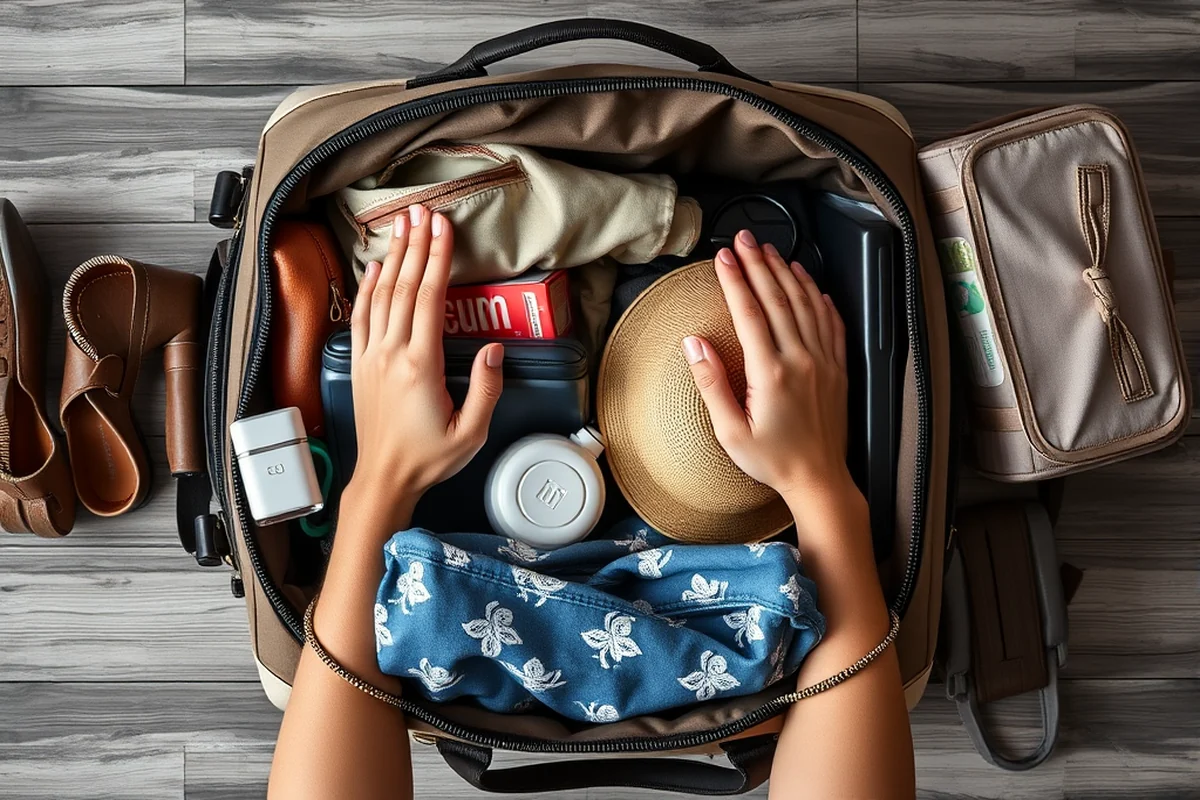
First, be sure to pack lightweight clothing — Hawaii is warm, but it can also be breezy, especially near the beach or in the mountains. A good pair of quick-dry shorts and a rash guard are essential for snorkeling and sun protection. Don't forget a wide-brimmed hat and sunglasses, as the sun can be intense.
In terms of footwear, comfortable hiking shoes are a must — especially if you plan to do any of the island's many trails. Flip-flops are great for the beach, but not ideal for walking on rough terrain. A lightweight backpack is also a good idea for carrying your essentials when you're on the go.
Sunscreen is non-negotiable — the sun in Hawaii can be stronger than in many other parts of the world. Be sure to bring a reef-safe formula to protect both your skin and the environment. Also, consider packing a reusable water bottle — staying hydrated is essential, especially if you're spending a lot of time outdoors.
Avoid bringing heavy or bulky items — you'll be carrying your own luggage, and space is limited. A small, foldable daypack is a great option for day trips. Also, avoid overpacking — you'll have more fun if you're not constantly worrying about where to put your things.
Pack light, pack smart, and leave room for the memories you'll make.
Budgeting for Your Trip: How to Stay Within Your Means
One of the biggest expenses is accommodation — especially if you're staying in a luxury resort. To save money, consider booking in advance and choosing budget-friendly options like hostels, vacation rentals, or eco-lodges. These can be just as comfortable as their more expensive counterparts and are often located in more scenic areas.
Transportation can also be a major cost. If you're flying between islands, consider booking a flight early — prices can vary widely depending on the time of year and how far in advance you book. Also, try to limit the number of inter-island flights you take — they can be expensive, especially during peak season.
Dining out can be another expense — but there are ways to eat affordably. Try local markets, food trucks, and casual restaurants for a more budget-friendly meal. Also, avoid tourist traps — they're often overpriced and not worth the money. Instead, seek out places where locals go — these often offer better food at lower prices.
Lastly, don't forget to account for activities — especially if you're planning to do things like snorkeling or hiking. Many of these activities can be expensive, but there are often discounts available if you book in advance. Also, consider free or low-cost options — like visiting a state park or taking a guided tour offered by a local company.
💰 Budget Breakdown
Travel on a budget without sacrificing the Hawaiian experience, with tips on eating, staying, and exploring affordably.
🌴 Weekend Getaway
Make the most of a long weekend in Hawaii with a focused, efficient itinerary that hits the highlights without the hustle.
👨👩👧👦 With Kids
A family-friendly guide to Hawaii, complete with kid-safe activities, easy transportation, and budget-friendly options.
🌦️ Off-Season Escape
Discover the hidden beauty of Hawaii during the off-peak months, with fewer crowds and more affordable prices.
💎 Luxury Escape
A high-end, personalized itinerary for those who want to experience Hawaii in style, with top-tier accommodations and exclusive experiences.
| The mistake | Why it happens | The fix |
|---|---|---|
| Overbooking tours and activities | It's easy to get caught up in the excitement of seeing everything, but too many tours can lead to exhaustion and a lack of free time. | Choose 2-3 main activities and build your trip around them. This will allow for more free time to explore and relax. |
| Not researching local customs | Not knowing local customs or etiquette can lead to unintentional disrespect or awkward situations, especially in cultural settings. | Take the time to learn a few basic Hawaiian phrases and customs, like how to greet someone or what to avoid during a luau. |
| Ignoring budget planning | Hawaii can be expensive, and not planning ahead can lead to overspending and financial stress. | Create a budget in advance and track your expenses during your trip. Look for affordable alternatives and avoid overpriced tourist traps. |
Travel Planner Hawaii
Common Questions
What's the best way to get around Hawaii if I'm not renting a car?
What's the best time of year to visit Hawaii?
Are there any cultural experiences I should not miss?
How can I eat like a local without breaking the bank?
Cite this guide
Eco Friendly Travel Planning (2026). Travel Planner Hawaii. https://greentourer.com/travel-planner-hawaii/
Feel free to cite or share this guide.
References
- Alohalani Housman - About - BYU–Hawaii (about.byuh.edu)
- Travel with Osher at JHU | Advanced Academic Programs (advanced.jhu.edu)
- Official MapQuest - Maps, Driving Directions, Live Traffic (bearsnet.shawu.edu)
- HTM - Hospitality & Tourism Management (catalog.hpu.edu)
- Travel Expenses: Allowed - Controller's Department (controller.iastate.edu)