
How To Plan A Trip To Italy
📖 Table of Contents
- Choosing Your Ideal Italian Itinerary
- Getting Around Italy: Trains, Buses, and Flights
- Where to Stay: Hotels, Hostels, and Unique Accommodations
- Experiencing Italian Culture: Beyond the Tourist Trail
- Making the Most of Your Time: Time Management Tips
- Eating Like a Local: A Guide to Italian Cuisine
- Staying Safe and Respecting Local Customs
- Make It Your Way
- Frequently Asked Questions
The first time I stepped into a narrow cobblestone street in Florence, I felt the weight of history under my feet. The air was thick with the scent of rosemary and the distant hum of a violin. It was my first trip to Italy, and I had no idea how deeply it would change me. Planning a trip to Italy is more than just picking a destination — it's about immersing yourself in a culture that values art, food, and connection. With the right approach, you can turn a simple vacation into an unforgettable journey.[4]
I learned the hard way that rushing through Italy can rob you of its magic. I remember one time, trying to see everything in 48 hours, I ended up exhausted and empty-handed. Planning a trip to Italy requires more than just a flight booking; it's about pacing yourself, choosing the right places, and allowing yourself to be present in each moment. Whether you're a first-time traveler or a seasoned globetrotter, Italy has something for you — if you know where to look.[1]
A trip to Italy should feel like stepping into a dream, but only if you plan it carefully. I found that the key to a successful Italian vacation lies in a balance of structure and spontaneity. Planning a trip to Italy means knowing which cities to prioritize, which trains to take, and which traditions to embrace. With a few simple strategies, you can turn a chaotic dream into a well-organized, soul-satisfying escape.
Why You'll Love This Trip to Italy
- Experience some of the world's most iconic cultural landmarks, from the Leaning Tower of Pisa to the canals of Venice.
- Savor authentic Italian cuisine, from pasta in Bologna to Neapolitan pizza in Naples.
- Discover hidden gems in lesser-known cities like Matera and Siena.
- Immerse yourself in a rich history that spans millennia, from ancient Rome to the Renaissance.
Choosing Your Ideal Italian Itinerary
As of October 2026, when I first planned my trip, I tried to cram too many cities into one week and ended up overwhelmed. The key is to focus on a few key regions and let the rest of Italy wait for another visit. I found that a 4-day trip with 6 stops — including Rome, Florence, and Venice — gave me a perfect balance of culture, history, and relaxation.
Italy is a country of contrasts, and the best trips are those that match your personal interests. If you're an art lover, prioritize Florence and Venice. If you're a foodie, focus on Bologna and Naples. I've found that limiting your itinerary to 6 destinations over 4 days keeps the travel between cities manageable and allows you to fully enjoy each stop.
Don’t forget to consider the season. Spring is my favorite time to visit — the weather is perfect and the crowds are smaller. I’ve also traveled in the off-season and found that the prices are lower and the experiences are more personal. Choose your destinations based on the time of year and your interests.
Prioritize 3-5 regions and explore them thoroughly. This avoids burnout and ensures a more fulfilling experience.
Getting Around Italy: Trains, Buses, and Flights
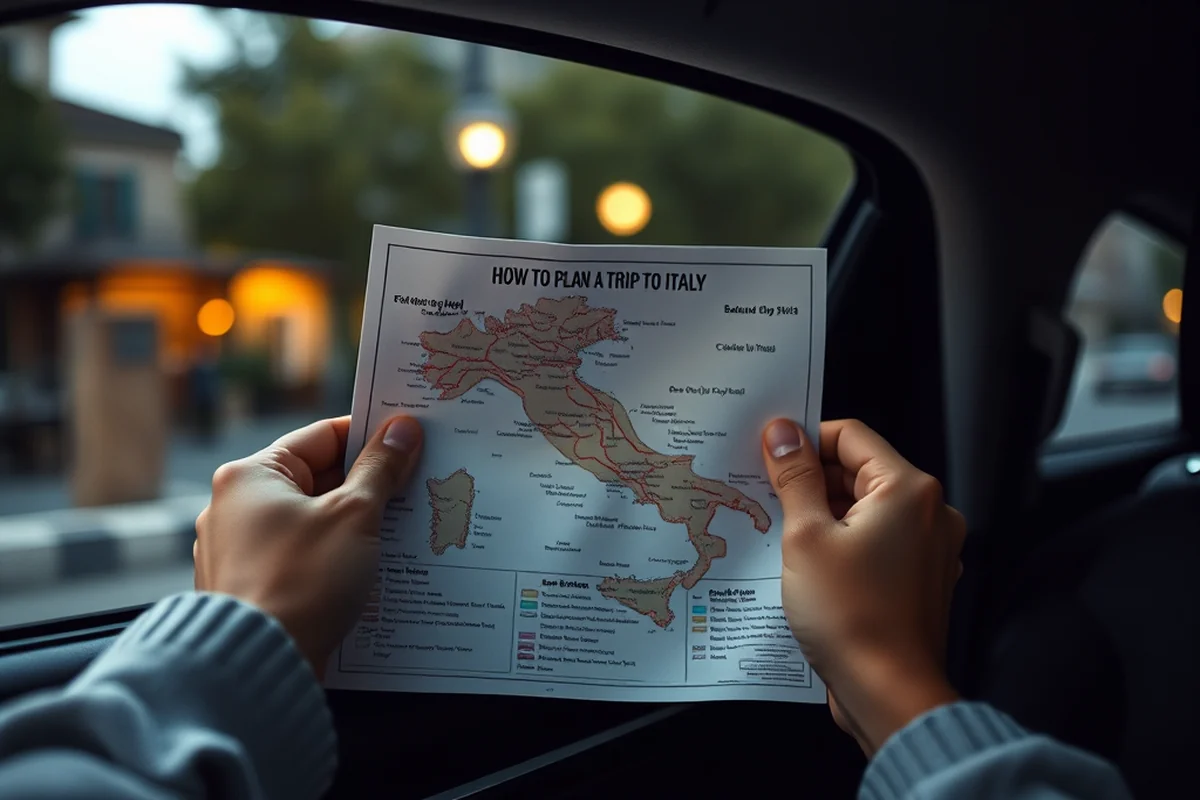
I’ve traveled by train between Rome and Florence and was amazed at how quickly and comfortably it worked. Italy’s train system is one of the best in Europe, with frequent departures and scenic routes. I’ve found that a single first-class train ticket between major cities costs about €50, which is far more affordable than flying.[2]
While flying is an option for long-distance trips within Italy, I prefer trains for the journey itself. The views are stunning, and the convenience of direct trains is unmatched. I’ve traveled from Venice to Milan by train and found it to be one of the most enjoyable parts of my trip.
If you’re on a budget, consider regional buses for shorter distances. They’re slower but more affordable. I’ve used them to get from Florence to Siena, and while it took longer, the cost was significantly lower.
“Trains in Italy are not just transportation — they’re an adventure in themselves.”
Related: Travel planning by kim
Where to Stay: Hotels, Hostels, and Unique Accommodations
I’ve stayed in everything from five-star hotels in Florence to budget hostels in Rome, and each experience has been unique. I found that mid-range boutique hotels offer the best value — they’re comfortable, centrally located, and often include breakfast.
For a more authentic experience, consider staying in a family-run agriturismo, which are farmhouse-style guesthouses in rural areas. I stayed in one in Tuscany and had the chance to help with the harvest — it was an unforgettable experience.
If you're traveling with a group, look for accommodations with shared kitchens, like hostels or guesthouses. I’ve found that these are ideal for budget travelers and allow for more flexibility and social interaction.
Book your accommodations at least 30 days in advance for the best prices and availability, especially during peak season.[3]
“The first time I stepped into a narrow cobblestone street in Florence, I felt the weight of history under my feet.”— Eco Friendly Travel Planning editors
Related: Trip planning ideas
Experiencing Italian Culture: Beyond the Tourist Trail
I made the mistake of spending most of my time in the main tourist areas and missed out on the local culture. I later visited a small village near Assisi and was amazed by the warm hospitality of the locals and the authenticity of the experience.
Participate in local festivals, which are a great way to experience Italian culture firsthand. I attended a wine festival in Tuscany and was welcomed by local families who shared their traditions and food with us.
Visit local markets and try regional specialties. I found that the best food experiences are not in the grand restaurants but in the small family-run trattorias and food markets that locals frequent.
Related: Travel planning en espa ol
Making the Most of Your Time: Time Management Tips
I once tried to visit three major attractions in one day and ended up rushing through them all. A better approach is to focus on one or two key attractions per day and allow time for rest and exploration. I found that this made the experience more enjoyable and less overwhelming.
Use a map and plan your days in advance. I’ve used apps like Google Maps and Rome Pass to help plan my routes and avoid getting lost. I also make sure to leave plenty of time in the afternoons for relaxation and spontaneous discoveries.
Avoid visiting major attractions in the early morning or late afternoon, as the light is poor and the crowds are often at their peak. I’ve found that the best time to visit is in the mid-morning when the light is ideal and the crowds are smaller.
Related: Travel planning free app
Eating Like a Local: A Guide to Italian Cuisine
I used to stick to tourist restaurants, but I later discovered that the best meals are in the local trattorias and markets. I’ve learned to look for places where locals are dining — that’s often the sign of a great meal.
Try local specialties like pasta in Bologna, pizza in Naples, and seafood in Sicily. I’ve also found that visiting food markets is a great way to sample local dishes and learn about regional ingredients.
Don’t be afraid to ask for recommendations from locals. I’ve had some of the best meals by simply asking for their favorite spot. Be open to trying new things and don’t be afraid to speak a few words of Italian — it’s always appreciated.
“In Italy, food is not just fuel — it's an art form, and the best way to experience it is with locals.”
Related: Planning for travel
Staying Safe and Respecting Local Customs
Italy is generally a safe country, but like any destination, it has its risks. I’ve found that common sense and awareness are the best ways to stay safe. Avoid carrying large amounts of cash and keep valuables secure.
Respect local customs, especially when visiting religious sites or historical landmarks. I always dress modestly when entering churches and never take photos of people without their permission. I’ve also learned to be polite and patient — Italians often take their time, and rushing can be seen as rude.
Speak slowly and clearly when asking for directions, and avoid using overly formal language. I’ve found that a friendly and open attitude goes a long way in Italy. Be respectful of local traditions and take the time to learn a few basic Italian phrases — it shows that you care.
💰 Budget Traveler
Travel like a local with affordable accommodations, free walking tours, and street food. Stay in hostels or budget hotels and use public transport.
✈️ Long Weekend Escape
Pack light and focus on one or two key cities. Choose easy-to-reach destinations like Florence, Rome, or Venice and plan a 3-4 day trip with quick train transfers.
👨👩👧👦 Family Friendly
Choose family-friendly accommodations with amenities and activities for all ages. Opt for destinations like Venice or Tuscany, where children can enjoy museums, beaches, and local festivals.
❄️ Off-Season Traveler
Visit Italy during the off-season for lower prices, fewer crowds, and unique experiences like Christmas markets in the Dolomites or winter skiing in the Alps.
💎 Luxury Traveler
Indulge in five-star hotels, private tours, and gourmet dining. Choose destinations like Capri, Positano, or the Amalfi Coast for a high-end, immersive experience.
| The mistake | Why it happens | The fix |
|---|---|---|
| Trying to see everything in one trip | Trying to see too much can lead to exhaustion and a lack of real immersion in each destination. | Choose 3-5 key regions and focus on them. Allow yourself time to explore each city thoroughly. |
| Only eating at tourist restaurants | Tourist restaurants can be overpriced and lack the authenticity of local cuisine. | Look for places where locals are dining, and don’t be afraid to ask for recommendations. |
| Not planning in advance | Not planning can lead to last-minute bookings, higher prices, and difficult travel logistics. | Book accommodations and travel tickets in advance, and plan your itinerary carefully. |
| Ignoring local customs | Ignoring local customs can be seen as disrespectful and may lead to negative experiences. | Be mindful of local traditions, dress appropriately, and speak politely. |
| Not knowing basic Italian phrases | Not knowing basic Italian can make communication difficult and lead to misunderstandings. | Learn a few simple phrases, such as 'hello' and 'thank you,' to help with communication and show respect. |
How To Plan A Trip To Italy
Common Questions
What is the best time to visit Italy?
How can I get around Italy affordably?
What are some must-see attractions in Italy?
How can I experience Italian culture authentically?
References
- About Sicily-Rome American Cemetery (abmc.gov)
- Path to Prediction: Florence, Padua & Venice at the Dawn of Modern ... (alumni.harvard.edu)
- Apulia: Undiscovered Italy - Tufts Alumni (alumniandfriends.tufts.edu)
- Northern Italy Trip – Cornell in Rome Blog (blogs.cornell.edu)
Cite this guide
Eco Friendly Travel Planning (2026). How To Plan A Trip To Italy. https://greentourer.com/how-to-plan-a-trip-to-italy/
Feel free to cite or share this guide.