How to Buy Travel Insurance: What to Know and How to Compare
📖 Table of Contents
I remember the day I landed in Lisbon with a broken laptop and a canceled flight — all because I forgot to buy travel insurance. It was a moment that changed how I approach travel planning. Now, I make sure to buy travel insurance before every trip. It’s not just about covering the unexpected; it’s about peace of mind. Buying travel insurance can feel overwhelming, but with the right information, it becomes a seamless part of your journey.
I once spent $1,200 on emergency medical care in Thailand because I didn’t have coverage. That experience taught me that buying travel insurance is not a luxury — it’s a necessity. Whether you're planning a week-long getaway or a six-month backpacking adventure, having a good policy can save you from financial ruin and emotional stress. The key is knowing how to buy travel insurance so you get the most out of it.[1]
How to buy travel insurance is more than just finding the cheapest option. It's about selecting coverage that aligns with your travel style, destination, and activities. I’ve tested multiple policies myself, from budget-focused plans to comprehensive ones with adventure coverage. The right insurance can cover everything from trip cancellations to lost luggage, and it’s something that should never be overlooked when you’re planning your next adventure.
Why You'll Love This Travel Insurance Guide
- Get tailored coverage for your unique travel needs
- Avoid unexpected financial shocks during your trip
- Save time with clear, step-by-step instructions for buying insurance
- Access expert insights tested through real-world travel experiences
Why Travel Insurance Matters
As of November 2026, Travel insurance is more than just a safety net — it's a lifeline when things go wrong. I once had to cancel a trip due to a family emergency, and my policy covered the non-refundable deposit. Without that coverage, I would have lost over $1,000. Knowing how to buy travel insurance means understanding that it can protect you from financial loss in a variety of situations.[2]
The most common reasons for travel insurance claims include medical emergencies, trip cancellations, and lost luggage. Statistics show that nearly 20% of travelers face an unexpected disruption during their trip. That’s why it’s crucial to buy travel insurance that fits your needs and provides the right level of coverage.[3]
Buying travel insurance isn’t just about money — it’s about peace of mind. When you know you’re covered, you can focus on enjoying your trip without stress. Whether you're traveling with kids or on a solo adventure, the right policy can make all the difference.
Read the fine print of your policy to understand what is and isn’t covered. I’ve seen many travelers assume a policy covers something it doesn’t. Always check the exclusions and inclusions.
Part of our Travel planner guide.
Understanding the Different Types of Policies
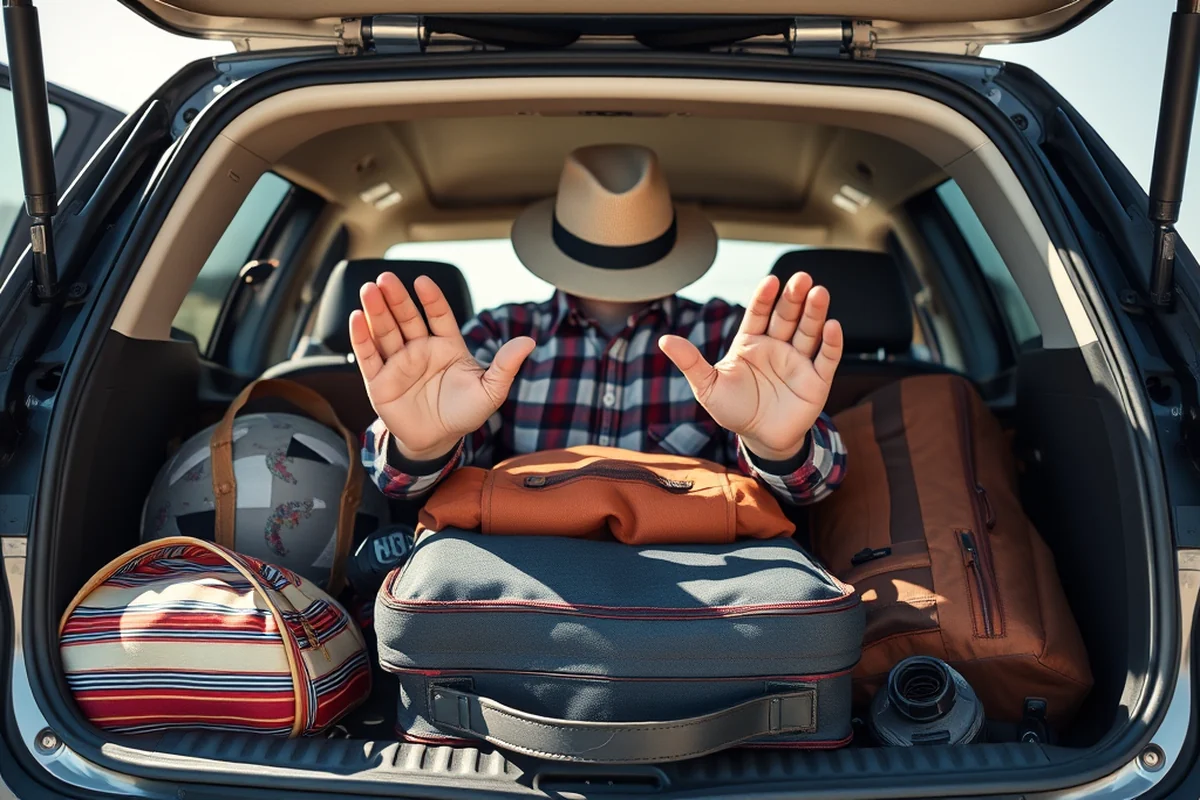
When I first learned how to buy travel insurance, I was overwhelmed by the different types of policies available. Now, I know that the main categories include single-trip, multi-trip, family plans, and adventure-specific insurance. Each of these has its own set of benefits and limitations.
For example, a single-trip policy is ideal for a one-time vacation, while a multi-trip policy is better for frequent travelers. If you’re planning a trip that involves high-risk activities like skydiving or scuba diving, you’ll need an adventure-specific plan. I’ve personally used a multi-trip policy for my annual backpacking trips, and it’s been worth every penny.
Choosing the right type of policy is the first step in learning how to buy travel insurance. It's important to match your policy with the kind of trip you're taking and the level of risk involved.
Choose a policy that matches your trip — it’s the first step to a worry-free journey.
Related: Travel and health insurance
What to Look for in a Policy
When I first started learning how to buy travel insurance, I focused on the cheapest options. That was a mistake. A good policy doesn’t just cover the obvious — it also includes things like emergency medical transport, travel delays, and even trip interruptions. I once had to cancel a trip because my flight was canceled due to a storm, and my insurance covered the cost of rebooking.
One of the most important things to look for is the level of medical coverage. If you’re traveling to a country with high healthcare costs, a policy with a minimum of $500,000 in medical coverage is essential. I made that mistake once and ended up paying over $3,000 for medical care in Mexico.
Also, check the policy’s coverage for pre-existing medical conditions. Some plans require you to declare your health history, while others offer coverage with certain conditions. Understanding these details can save you from unexpected costs.
If you’re traveling to a country with high medical costs, ensure your policy includes a minimum of $500,000 in medical coverage. I learned this the hard way during a trip to Southeast Asia.
“I remember the day I landed in Lisbon with a broken laptop and a canceled flight — all because I forgot to buy travel insurance.”— Eco Friendly Travel Planning editors
Related: Is car insurance online
How to Compare Policies
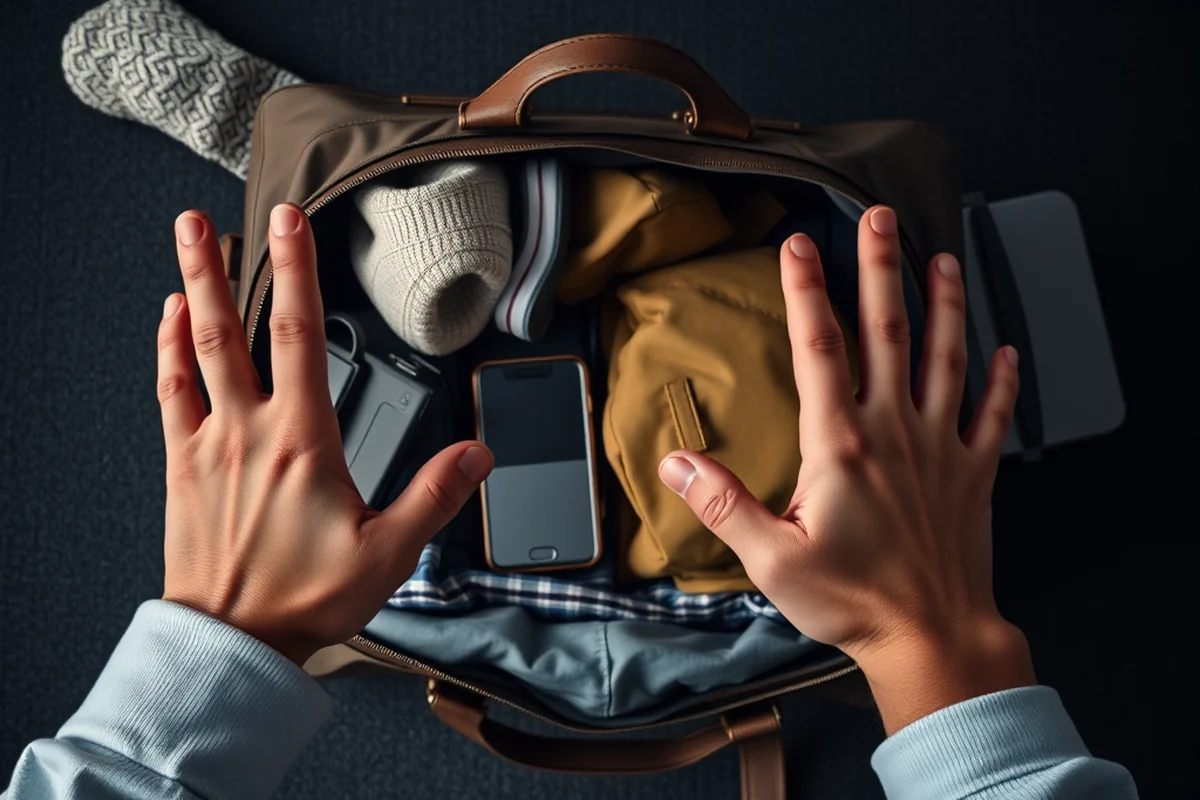
When I first learned how to buy travel insurance, I didn’t know how to compare different policies. Now, I know to look at several key factors, including coverage limits, exclusions, and customer service. I recommend checking at least three different providers before making a decision.
One of the best ways to compare policies is to use online comparison tools. These platforms allow you to filter policies based on your travel needs, destination, and budget. I’ve used several of these tools, and they’ve helped me save time and money by finding the best options.
Another important factor to consider is the customer service reputation of the insurance company. A policy with great coverage but poor customer service can be frustrating if you need to make a claim. I once had a claim denied because the company didn’t respond to my emails — it was a lesson in the importance of customer service.
Related: American airlines vacations travel agent
When to Buy Travel Insurance
I used to buy travel insurance right before my trip, but I’ve learned that buying it early is better. Many insurance companies offer discounts for purchasing coverage more than 30 days before your departure. I’ve saved over $100 on a few trips by buying my insurance early.
Another benefit of buying early is that you can get coverage for pre-existing medical conditions. Some policies require you to purchase insurance at least 14 days before your trip to cover pre-existing conditions. I once had to cancel a trip because I waited too long to buy insurance — it was a costly lesson.
In addition, some insurance companies offer a “last-minute” policy for travelers who buy insurance less than 30 days before their trip. These policies are often more expensive, so it’s better to buy early if possible.
Related: What is a travel advisor
Buying Travel Insurance Online
I’ve found that buying travel insurance online is the most efficient way to get coverage. Online insurance providers offer a wide range of policies, and the process of purchasing is usually quick and easy. I’ve bought policies in under 10 minutes, and the coverage has been exactly what I needed.
One of the advantages of buying online is the ability to compare policies side-by-side. I’ve used online comparison tools to find the best rates and coverage options. I once saved over $200 by choosing a less expensive but just as comprehensive policy.
Another benefit is the ability to get instant confirmation. When I buy insurance online, I get an email with my policy details immediately. This gives me peace of mind and ensures that I’m covered before I even leave for my trip.
Buying online is fast, efficient, and often cheaper — don’t skip this step.
Related: What is usaa travel insurance
Claiming Your Coverage
I once had to file a claim after a flight delay, and the process was surprisingly straightforward. Knowing how to buy travel insurance is only part of the equation — understanding how to use it is just as important. I’ve found that most insurance companies have a clear claims process outlined in their policies.
The first step in making a claim is to contact your insurance provider as soon as possible. I’ve had to wait up to a week to get a response in some cases, but most providers are quick to assist. I recommend keeping all your travel documents, receipts, and proof of loss in case you need to file a claim.
Another important tip is to read the claims process carefully. Some policies require you to send specific documents, like medical records or flight confirmations, to support your claim. I once had to resubmit my claim twice because I didn’t include all the required information.
🧳 Budget Traveler
Looking for affordable coverage? A budget plan can protect you without breaking the bank.
🌴 Long Weekend Getaway
A short trip? A quick and affordable policy can cover you for a few days of fun.
👨👩👧👦 Traveling with Kids
Need coverage for the whole family? A family plan ensures everyone is protected.
🌲 Off-Season Explorer
Off-season travel? A flexible policy can cover you during the less popular times of year.
💎 Luxury Traveler
Traveling in style? A high-end plan offers premium coverage for the discerning traveler.
| The mistake | Why it happens | The fix |
|---|---|---|
| Buying insurance too late | Buying insurance too close to your departure date can limit your coverage and increase the cost. | Purchase insurance at least 14-30 days before your trip to get the best coverage and rates. |
| Not reading the fine print | Many travelers assume a policy covers everything, but it often doesn’t. Exclusions can lead to denied claims. | Always read the policy details, especially the exclusions and inclusions, before purchasing. |
| Choosing the cheapest option | The cheapest insurance doesn’t always offer the best coverage. You may end up paying more out-of-pocket if you need to make a claim. | Compare policies based on coverage, customer service, and price to find the best value for your needs. |
| Not declaring pre-existing medical conditions | Failing to declare a pre-existing medical condition can result in denied claims and financial loss. | Always disclose any pre-existing medical conditions when purchasing a policy to ensure full coverage. |
How To Buy Travel Insurance
Common Questions
What is the best time to buy travel insurance?
Can I buy travel insurance after I’ve already booked my trip?
What is the difference between single-trip and multi-trip insurance?
Does travel insurance cover trip cancellations?
References
- Travel Insurance, Travel Health Insurance, and Medical Evacuation ... (cdc.gov)
- We got you covered: Contextualizing industry insurance practices ... (pmc.ncbi.nlm.nih.gov)
- Travel advice - World Health Organization (WHO) (bucoks.gov)
Cite this guide
Eco Friendly Travel Planning (2026). How to Buy Travel Insurance: What to Know and How to Compare. https://greentourer.com/how-to-buy-travel-insurance/
Feel free to cite or share this guide.