
Xcel Insurance Training
📖 Table of Contents
Last year, I found myself in a precarious situation while on a solo trip to Costa Rica. I had packed light, thinking I'd be fine with just a few essentials. When I slipped on a wet rock near the Arenal Volcano and twisted my ankle, I realized how unprepared I was for the unexpected. I had no travel insurance, and I was left scrambling to find a way to get back to the hotel, pay for medical care, and still manage my itinerary. That moment taught me the value of travel insurance, and it was the catalyst for my deep explore Xcel Insurance Training.
Xcel Insurance Training is not just a course—it's a comprehensive program that equips travelers with the knowledge to choose the right insurance plan, understand their coverage. Handle the complexities of the travel insurance world. I enrolled in the training to better understand how insurance works, and what I learned has changed the way I plan every trip. Whether it's knowing what to do if I lose my passport or how to file a claim for a medical emergency, the training was a game-changer.
One of the most surprising things I learned during Xcel Insurance Training was how many travelers don’t realize the extent to which travel insurance can protect them. For example, I had never considered that some policies cover trip cancellations due to personal reasons, like a family emergency or even a job change. This knowledge has helped me feel more secure and prepared for future trips, and I believe it’s essential for anyone who wants to travel with peace of mind.
Why You'll Love This Training
- It provides in-depth knowledge on selecting the right insurance plan for your needs.
- It helps you understand the fine print and avoid costly mistakes.
- It gives you the tools to file claims smoothly and confidently.
- It empowers you with real-life examples and scenarios to prepare for the unexpected.
Why Travel Insurance Matters
As of November 2026, I’ve seen firsthand how travel insurance can make the difference between a stressful trip and a safe, enjoyable one. During a recent trek in Patagonia, I had a sudden illness that left me bedridden. Because I had the right insurance, I was able to access medical care, get a refund for my unused accommodations, and still make it back home within a week.
Without insurance, I wouldn’t have been able to cover the medical costs or the lost revenue from my unused hotel nights. The financial burden would have been overwhelming, and the emotional stress even more so. This is why Xcel Insurance Training emphasizes the importance of understanding the details of your plan before you travel.
Travel insurance also covers unexpected events like flight cancellations, lost luggage, and even delays. I remember a time when my flight was canceled due to a storm, and without insurance, I would have had to find another way to get to my destination at my own expense. The right policy can save you both time and money in these situations.
Before you leave, sit down with your insurance policy and read through the fine print. Make sure you understand what is and isn’t covered. This will save you from surprises later on.
Part of our Travel planner guide.
Choosing the Right Policy
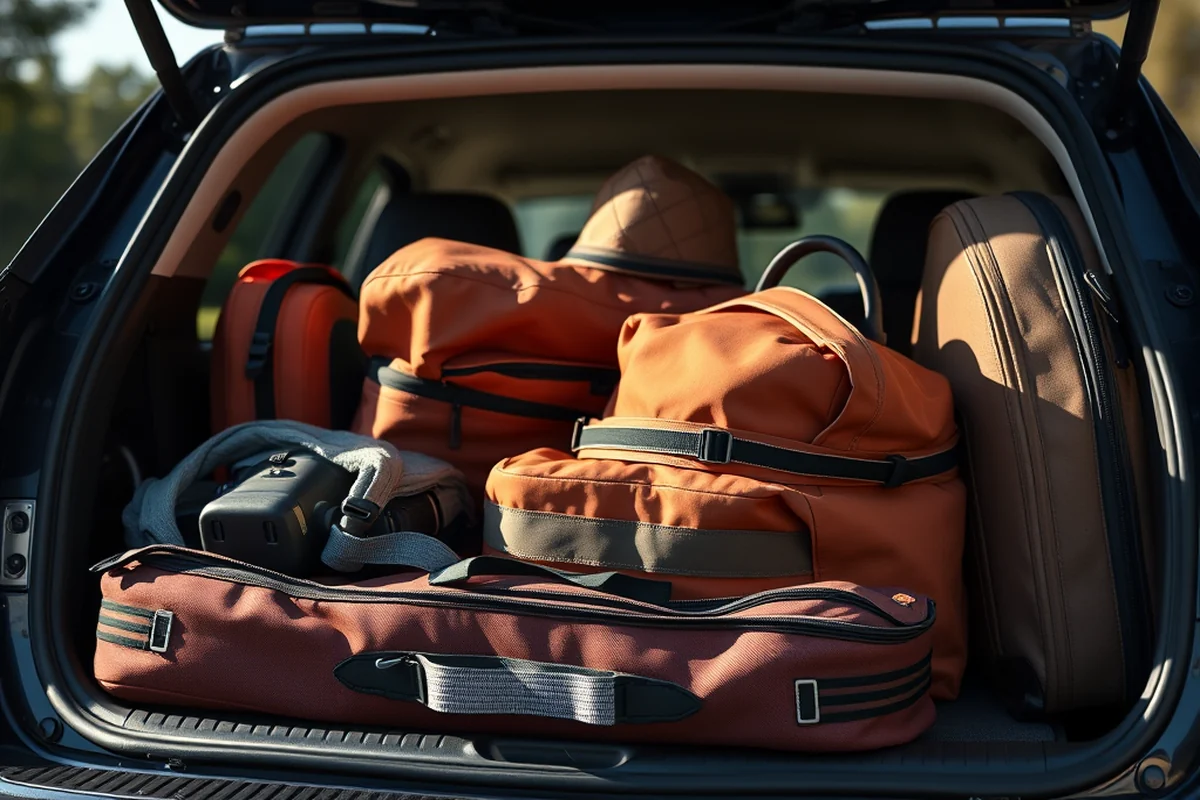
Xcel Insurance Training walks you through the process of selecting the best policy for your needs. It covers everything from comparing different providers to understanding the differences between single-trip and multi-trip policies. This knowledge is invaluable, especially if you travel frequently.
For example, if you’re planning a trip to a remote location like Antarctica, you’ll need a policy that covers emergency medical evacuation, which can be extremely expensive. On the other hand, if you’re traveling domestically, you may not need that level of coverage.
The training also teaches you to look for policies that offer 24/7 assistance and have a straightforward claims process. I learned that some policies have high deductibles or exclusions that make them less useful in an emergency.[1]
Choose your insurance like you choose your luggage—based on what you need, not what’s the cheapest.
Related: Best travel credit card 2026
Understanding Policy Exclusions
One of the most valuable lessons from Xcel Insurance Training was learning about policy exclusions. Many people assume that their insurance will cover everything, but that’s not always the case. For instance, some policies exclude coverage for adventure sports like skydiving or scuba diving unless you pay an extra fee.
Another common exclusion is pre-existing medical conditions. If you have a history of heart disease or diabetes, you may need to purchase a special rider or even a different policy altogether. This is why the training emphasizes the importance of reading the fine print and, if necessary, consulting with an insurance expert.
I was surprised to learn that some policies also exclude coverage for certain destinations, especially those known for political instability or natural disasters. Understanding these exclusions helped me avoid a costly mistake on a future trip to a region I had previously overlooked.
No matter how good a policy seems, always check the exclusions section. This is where you’ll find the most important details about what you’re not covered for.
“Last year, I found myself in a precarious situation while on a solo trip to Costa Rica.”— Eco Friendly Travel Planning editors
Related: The best cruise insurance
Filing a Claim Successfully
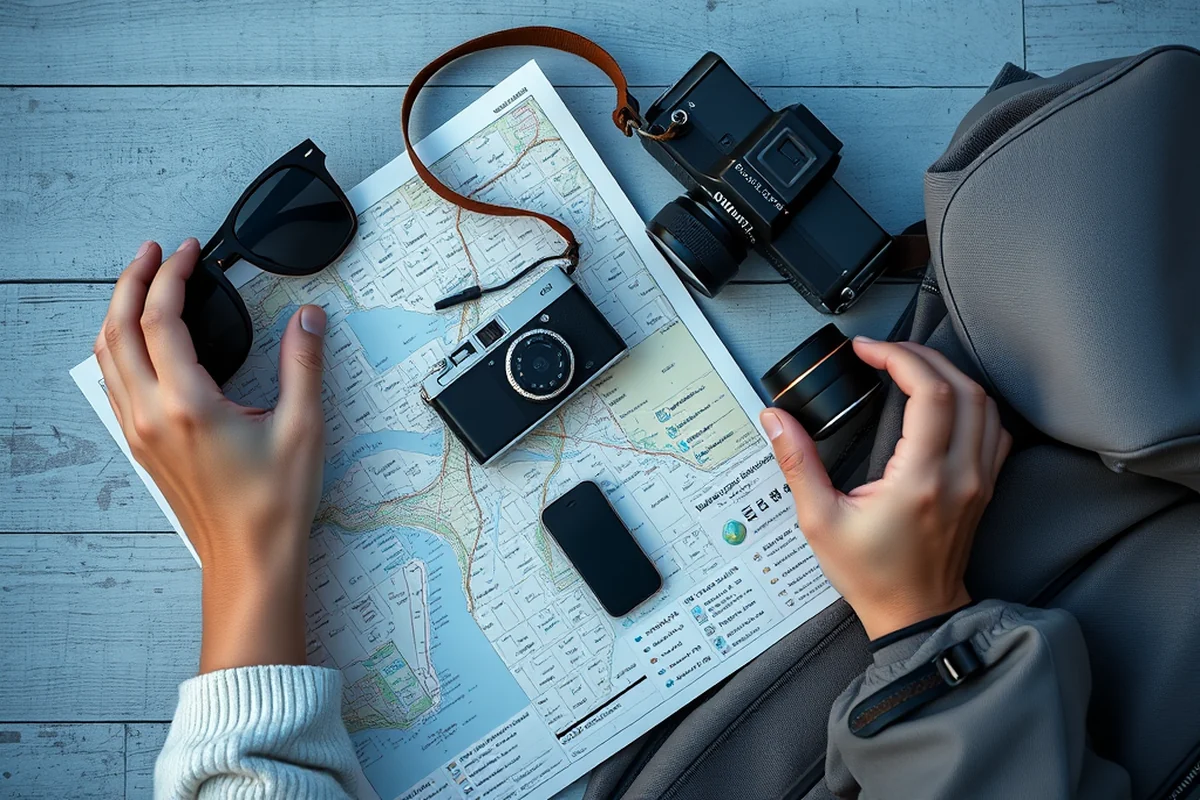
Xcel Insurance Training walks you through the entire claims process, from gathering documentation to submitting the claim. It emphasizes the importance of keeping records of all expenses and having a copy of your insurance policy on hand.
One of the most important steps is to notify your insurer as soon as possible after an incident. Whether it’s a medical emergency or a lost passport, delaying the process can lead to complications. I learned this the hard way when I forgot to report a minor car accident in Thailand and had to provide additional evidence to support my claim.
The training also covers how to communicate effectively with your insurance company. Being clear, concise, and organized can make the difference between a quick resolution and a drawn-out battle over coverage.
Related: What is the best route planner
Travel Insurance for Different Travelers
For example, if you’re traveling with children, you’ll need a policy that covers pediatric medical care and may even include coverage for a child’s return to your home country in an emergency. I was unaware of this until I enrolled in the training, and it made me realize how much more I needed to consider for future family trips.
For solo travelers, the training highlights the importance of having a policy that covers emergency medical assistance and evacuation, especially in remote areas. It also advises on how to ensure that someone back home is informed of your travel plans and can be contacted in an emergency.
If you’re an older traveler, the training recommends looking for policies that offer more comprehensive health coverage, as some insurers may have age restrictions or higher premiums for older individuals.
Related: What is the best travel insurance for cruises
Budgeting for Insurance
I used to think that travel insurance was a luxury I could skip, but after the training, I realized that it’s actually a smart investment. The cost of insurance is often a fraction of what you’d spend on medical care, lost luggage, or trip cancellation fees.
The training shows how to compare policies based on cost, coverage, and customer service. It also advises on how to look for discounts, such as bundling insurance with other travel services or taking advantage of group rates.
For example, I found that a policy covering a 14-day trip cost me around $120, which was less than the cost of a single medical evacuation in a foreign country. It’s these kinds of comparisons that make the training so valuable.[2]
A little money spent on insurance can save you a lot of trouble later on.
Related: What is online travel agency
Staying Prepared with Travel Insurance
The training teaches you to keep your insurance policy accessible at all times, whether in your phone, wallet, or printed out. It also emphasizes the importance of sharing your policy details with a trusted friend or family member who can help you in an emergency.
Another tip from the training is to keep a list of all your contact information, including your insurer’s 24-hour assistance number. This can be crucial if you find yourself in a situation where you can’t access your phone or wallet.
Finally, the training encourages travelers to review their insurance policies before each trip, just to ensure that nothing has changed and that they’re still covered for the activities and destinations they’ve planned.
💰 Budget Traveler
Looking for a cost-effective insurance plan without sacrificing coverage. Ideal for budget travelers who still want protection against the unexpected.
🧳 Long Weekend Explorer
Perfect for those who want coverage for short trips. Designed for travelers who are on the go and need quick, hassle-free insurance options.
👨👩👧👦 Family Adventure
Tailored for families with children, offering pediatric care, evacuation coverage, and more. Ensures peace of mind for parents and kids alike.
❄️ Off-Season Traveler
Designed for those who travel during less popular times of the year. Offers coverage for unique challenges like harsh weather or limited services.
💎 Luxury Traveler
Customized for high-end travelers, offering 24/7 concierge services, premium coverage, and exclusive benefits for those who want the best.
| The mistake | Why it happens | The fix |
|---|---|---|
| Assuming all insurance policies are the same. | Each policy has its own terms, coverage, and exclusions, and assuming they’re all the same can lead to unexpected gaps in protection. | Research and compare different policies to find the one that best fits your needs and travel plans. |
| Not reading the fine print. | Many people skip the fine print and later find that they’re not covered for certain situations, leading to disappointment and financial loss. | Always read the policy details, especially the exclusions and coverage limits. |
| Delaying the claims process. | Waiting to report an incident can lead to complications and even denial of a claim. | Notify your insurer as soon as possible after an incident to avoid delays and ensure your claim is processed properly. |
| Not informing the insurer about pre-existing medical conditions. | Failure to disclose pre-existing conditions can lead to denial of claims in the event of an emergency or medical issue. | Always be transparent about your health history when purchasing insurance. |
| Not keeping a copy of the insurance policy. | Not having a copy of your policy can make it difficult to access important information in an emergency. | Keep a digital or printed copy of your insurance policy and share it with a trusted contact. |
Xcel Insurance Training
Common Questions
What is the best way to choose a travel insurance policy?
How much does travel insurance typically cost?
What should I do if I need to file a claim?
Are there any exclusions I should be aware of?
References
Cite this guide
Eco Friendly Travel Planning (2026). Xcel Insurance Training. https://greentourer.com/xcel-insurance-training/
Feel free to cite or share this guide.