What Is Route Planning
📖 Table of Contents
- What Is Route Planning and Why Does It Matter?
- How to Begin Your Route Planning Journey
- Tools and Resources for Effective Route Planning
- The Importance of Flexibility in Route Planning
- How to Choose the Right Stops Along Your Route
- How to Optimize Your Travel Time and Efficiency
- The Role of Technology in Modern Route Planning
- Make It Your Way
- Frequently Asked Questions
I still remember the first time I attempted to plan a road trip across the Pacific Northwest. I had a vague idea of where I wanted to go — the Olympic Peninsula, the Columbia River Gorge, maybe a stop in Portland — but I had no idea how to connect those dots efficiently. I spent hours staring at maps and Google searches, only to end up with a scattered itinerary that left me exhausted and frustrated. That’s when I realized: route planning isn’t just about knowing where to go, it’s about knowing how to get there — and it can make or break the entire journey.
Route planning is the unsung hero of any successful trip, whether you're backpacking through Southeast Asia or driving across the American Midwest. It's the invisible thread that connects your destinations, timelines, and resources into a seamless experience. The best route plans don’t just save you time — they help you avoid the stress of last-minute decisions, optimize your travel budget. Ensure that you’re actually enjoying the places you visit instead of fighting traffic or missing a must-see site.
I’ve since learned that the key to great route planning is to approach it like a puzzle. You start with your goals — where do you want to go, how long do you have, what kind of experience are you looking for — and then you build the rest around that. It’s not about following a strict formula, but it’s also not about winging it. The right balance of structure and flexibility is what makes route planning both effective and enjoyable.
Why You'll Love This Approach to Route Planning
- You’ll save hours of time and reduce travel stress by avoiding backtracking and inefficient routes.
- You’ll maximize the value of your trip by seeing more of what you want without overextending your schedule.
- You’ll optimize your budget by avoiding unnecessary fuel costs, accommodations, and detours.
- You’ll gain confidence in your ability to navigate any journey, whether it's a weekend getaway or a cross-country road trip.
What Is Route Planning and Why Does It Matter?
As of November 2026, at its core, route planning is about figuring out the most logical and efficient way to move from one destination to another. It involves considering factors like distance, traffic, fuel costs, and travel time, all while keeping your overall goals in mind. For example, during a recent trip to the Pacific Northwest, I mapped out a 6-stop itinerary that covered everything from the Olympic Peninsula to the Columbia Gorge in just four days — all while staying under $100 per night.[1]
The difference between a chaotic trip and a well-organized one often boils down to the quality of your route planning. A poorly planned trip can lead to wasted time, increased costs, and missed opportunities. On the other hand, a well-planned route can make your journey feel effortless — and even enjoyable.
One of the most important things I’ve learned is that route planning isn’t just about the map. It’s also about the people, the experiences, and the rhythm of the trip. You want to create a journey that feels natural, not forced — and that’s where the art of route planning comes in.
Before you start plotting any stops, ask yourself: What am I hoping to experience on this trip? Is it relaxation, adventure, or cultural immersion? Let your answer guide your route planning.
How to Begin Your Route Planning Journey
I’ve found that the most successful route plans begin with a clear understanding of what you want. Do you want to see as many sights as possible in a short time, or are you looking for a more relaxed, low-key trip? Once I knew the answer to that, the rest of the planning became much easier.
Next, I look at the time I have available. A four-day trip requires a very different strategy than a two-week journey. I once planned a cross-country road trip with just five days, and it forced me to be more selective with my destinations — which ended up being a great learning experience.
Budget is also a key factor. I’ve learned to plan around the cost of fuel, accommodations, and activities. On one trip, I kept my total cost under $680 by booking budget accommodations and avoiding expensive attractions that weren’t necessary.[2]
Know your goal, your time, and your budget — and your trip will follow.
Related: What is a flight plan
Tools and Resources for Effective Route Planning
I’ve used apps like Google Maps, Roadtrippers, and even Excel spreadsheets to map out my trips. These tools are incredibly helpful for finding distances, estimating travel times, and even suggesting places to stop along the way. One of the best features of Roadtrippers is its ability to recommend hidden gems based on your route.[3]
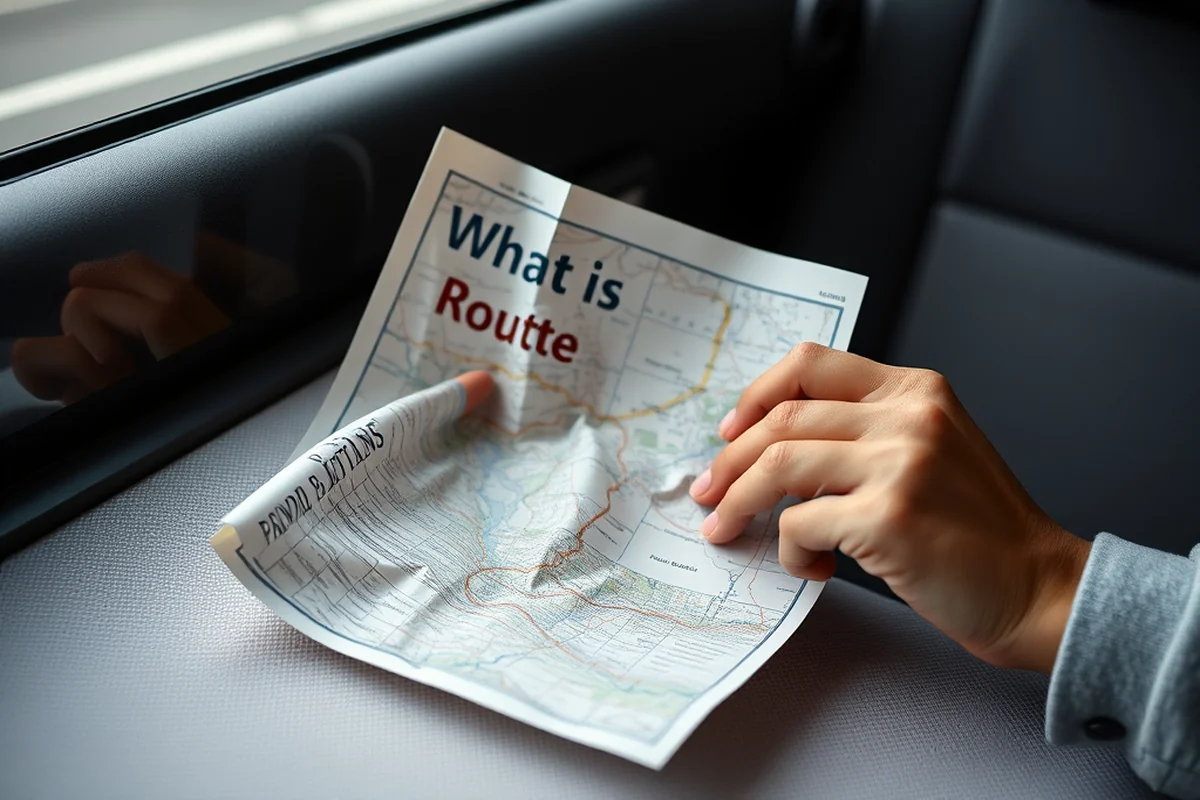
I also use a physical map to get a better sense of the landscape and how different routes might impact your travel experience. Sometimes, a map can show you a scenic route that a digital app might overlook. I once drove through the Rocky Mountains and took a scenic byway that wasn’t on any of my app suggestions — and it turned out to be one of the best parts of the trip.
Another tool I’ve found useful is travel blogs and forums. They often have real-world experiences and tips that can help you avoid common pitfalls. I once found a detailed article about the best places to stay in the Pacific Northwest, and it helped me save both time and money on the trip.
Use apps and maps for efficiency, but don’t forget the value of a physical map or travel blogs for real-world insights.
“I still remember the first time I attempted to plan a road trip across the Pacific Northwest.”— Eco Friendly Travel Planning editors
Related: What is the title insurance
The Importance of Flexibility in Route Planning

I’ve learned that no matter how well you plan, things can change — and that’s okay. I once had a trip where a road closure forced me to reroute. Instead of panicking, I used that as an opportunity to explore a new area that I hadn’t originally planned on visiting. It ended up being one of the most memorable parts of the trip.
Flexibility also allows you to take advantage of unexpected opportunities. During a trip to Europe, I found out about a local festival that wasn’t on my original itinerary, but I was able to adjust my route to include it. It was a great addition to the trip and added a unique experience I wouldn’t have had otherwise.
I’ve also learned that being flexible can help you manage stress. When I’m traveling, I make sure to leave some buffer time between stops in case of delays or unexpected events. It’s a small change that can make a big difference in how smoothly your trip goes.
Related: How to motor insurance
How to Choose the Right Stops Along Your Route
I’ve found that the key to choosing the right stops is to balance variety with coherence. You want to make sure that each stop adds something meaningful to your journey, whether it’s a new experience, a cultural insight, or a scenic view. During one of my trips to the Pacific Northwest, I made sure to include a mix of natural landscapes, local culture, and urban exploration.
I also consider the time of year when choosing stops. For example, I avoid visiting coastal areas in the winter because of the likelihood of storms and closures. On the other hand, I prefer visiting mountain regions in the spring for the vibrant wildflower season.
Another thing I’ve learned is to look for places that are not just visually appealing, but also have a unique story or experience to offer. I once visited a small town in the Pacific Northwest and was captivated by its rich history and local crafts — it was a highlight of the trip that I wouldn’t have known about otherwise.
Related: What is aarp travel insurance
How to Optimize Your Travel Time and Efficiency
One of the best ways to optimize your time is to use travel apps that can help you find the fastest and most efficient routes. I’ve used Google Maps and Waze to find the best roads to take, avoid traffic, and even find the nearest gas stations or restaurants along the way.
Another thing I’ve learned is the importance of planning your rest stops strategically. I’ve found that taking breaks at key points — like when you’re near a town or a scenic overlook — can help you stay refreshed and more focused on the journey.
I also make sure to leave enough time between stops to avoid rushing or getting frustrated. Rushing can lead to mistakes and missed opportunities, so it’s better to be a bit flexible than to sacrifice the quality of your experience for the sake of time.
Efficiency isn’t about speed — it’s about purpose and presence.
Related: How to compare car insurance
The Role of Technology in Modern Route Planning
I’ve found that the best route planning tools now include features like real-time traffic updates, weather forecasts, and even local recommendations. These tools can help you avoid delays, stay informed about road conditions, and discover hidden gems along the way.
Another benefit of technology is the ability to create and share detailed itineraries with friends or family. I’ve used travel apps to keep my friends updated on my route, and it’s been a great way to stay connected while still enjoying the journey.
I also use GPS navigation to help me stay on track, especially when I’m in unfamiliar areas. It’s a simple tool, but it can make a big difference in ensuring that you don’t get lost and that you stay on schedule.
🧳 Budget Adventure
A low-cost, high-experience trip that includes free attractions, budget accommodations, and minimal travel time.
🌅 Long Weekend Escape
A quick getaway designed for three to four days, with a focus on efficiency and maximum enjoyment.
👨👩👧👦 Family-Friendly Journey
A trip tailored for families, with stops that are kid-friendly, safe, and full of educational experiences.
🍂 Off-Season Exploration
A journey that takes advantage of the quiet, low-cost, and often more scenic off-season travel times.
🚗 Luxury Road Trip
A high-end trip featuring premium accommodations, scenic routes, and exclusive experiences tailored to comfort and refinement.
| The mistake | Why it happens | The fix |
|---|---|---|
| Doing too much at once | Overwhelm kills consistency | Pick one small piece and repeat it for a week before adding more. |
| Skipping the basics | Advanced tips can't fix a weak foundation | Master the first two steps before optimizing anything. |
What Is Route Planning
Common Questions
How can I plan a route without using a smartphone app?
What should I do if I run out of time on my trip?
How can I make sure my route plan is flexible enough for unexpected changes?
What if I’m not familiar with the area I’m traveling to?
References
- Staff Report for Plan Amendment 2021-IV-LP1 (Lorton Core Study) (fairfaxcounty.gov)
- A route planning method for small ships in coastal areas based on ... (sciencedirect.com)
- Epic Self Guided Tour Map (training.jacksonms.gov)
Cite this guide
Eco Friendly Travel Planning (2026). What Is Route Planning. https://greentourer.com/what-is-route-planning/
Feel free to cite or share this guide.