
How To Plan Your Trip
📖 Table of Contents
- Start with a clear vision of where you want to go
- Research your destination like a local
- Create a realistic itinerary that leaves room for spontaneity
- Book flights and accommodations strategically
- Plan your activities with practicality and interest in mind
- Pack smart and leave room for unexpected changes
- Leave space for reflection and connection
- Make It Your Way
- Frequently Asked Questions
I remember the first time I tried to plan a trip without a clear plan. I spent three days scrolling through travel sites, only to end up with a jumbled list of destinations, conflicting dates, and no real idea of where to start. It was overwhelming and stressful, until I found a structured approach that turned chaos into clarity. Planning a trip doesn’t have to be a nightmare—it can be a joyful, organized process that leads you to the best experiences. That’s why I’m writing this: to help you learn how to plan your trip with confidence and ease.
The key to a successful trip is preparation. It’s not about having every detail figured out before you leave—it’s about making informed choices that align with your interests, budget, and time. When I first started planning trips, I didn’t realize how important it was to have a clear timeline, a realistic budget, and a set of priorities. Now, I know that a well-planned trip starts with knowing what you want, how much you can spend, and how much time you have. That’s how you learn how to plan your trip with purpose.
Over the years, I’ve learned that the best trips are the ones that feel spontaneous but are actually well-orchestrated. I’ve walked through cities I’ve never seen, eaten at restaurants that weren’t on my list, and met people who changed my perspective. But none of that would have happened without a solid plan. Whether you’re planning a short weekend getaway or a month-long adventure, learning how to plan your trip is the first step to making every moment count.
Why You'll Love This Guide to Planning Your Trip
- You’ll avoid the stress of last-minute decisions and wasted money on bad choices.
- You’ll discover destinations that match your interests and travel style, not just what’s trending.
- You’ll save time by having a clear itinerary that fits your schedule.
- You’ll feel confident knowing you’re prepared for anything your trip might throw your way.
Start with a clear vision of where you want to go
As of September 2026, before you even start booking flights or hotels, you need to know where you want to go. For me, it always starts with a mood board: a folder full of images, articles, and videos that capture the kind of experience I want. I think about the kind of place I want to visit—beach, city, mountains—and what kind of activities I’m interested in.
I also consider my budget. If I can only spend $680, I know I can’t afford a luxury suite in Paris. I’ll aim for a mid-range hotel in a smaller European city or a budget-friendly destination in Southeast Asia. I’ve found that setting a budget early on helps me avoid the trap of over-spending on unnecessary things.[1]
Finally, I think about how much time I have. A 4-day trip in a major city like Barcelona is enough to see the highlights, but not enough to fully immerse myself. That’s why I like to plan trips that give me at least 5-7 days in a place—enough time to explore, not just check off a list.
Create a folder with images, articles, and videos that inspire you. Use it as a guide when choosing your destination.
Research your destination like a local
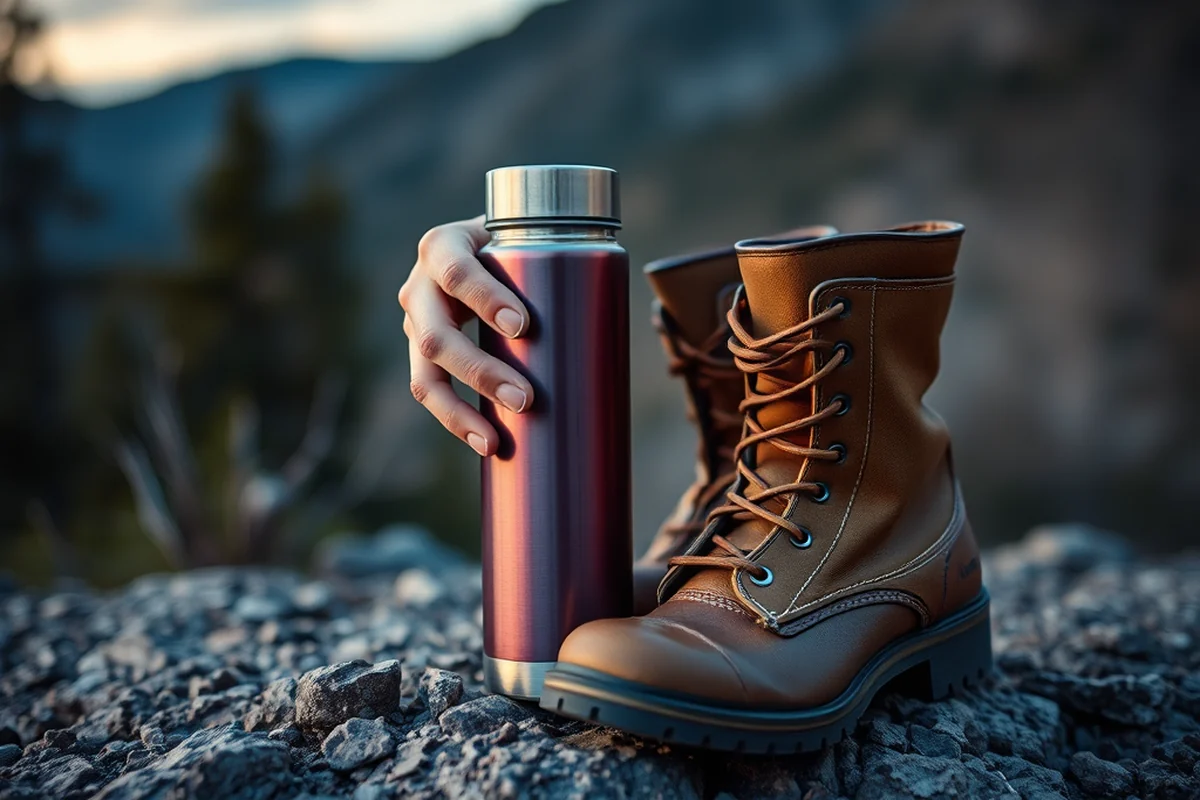
One of the most common mistakes I see is people traveling to a place without doing any real research. They think they can just get there and figure it out. But I’ve learned that the best experiences come from knowing a little about the place before you go.[2]
I always check travel forums and blogs to see what locals recommend. I also look at the best times to visit based on weather, festivals, and events. For example, I’ve learned that spring is the best time to visit Japan because the cherry blossoms are in full bloom, and the temperatures are just right for walking around the streets.[3]
Hidden gems are everywhere, but they’re not always easy to find. That’s why I always look for small, local businesses, cafes, and parks that aren’t on the main tourist map. I’ve found some of my favorite restaurants and experiences this way.
Travel like a local, not a tourist.
Related: Travel planning dashboard
Related: Travel planning greece
Related: Travel planning calendar
Related: Planning for travel
Related: How to insurance claim
Create a realistic itinerary that leaves room for spontaneity
I always start with a rough outline of my days. I know I want to visit the main attractions on day one, take a day trip to a nearby village on day two, and relax on day three. But I also leave room for spontaneous discoveries, like a random street fair or a chance encounter with a local artist.
I use a simple Google Sheet to track my plans, including times, locations, and notes. I make sure to include buffer time between activities so I don’t feel rushed or overwhelmed. I’ve found that this approach helps me stay on track without feeling like I’m being held hostage by my schedule.
Flexibility is key. Even the best-laid plans can change. I’ve had to adjust my itinerary because of weather, transportation delays, or unexpected opportunities. But I always try to stay open to new possibilities.
A Google Sheet or a paper planner can help you organize your itinerary while leaving room for change.
“I remember the first time I tried to plan a trip without a clear plan.”— Eco Friendly Travel Planning editors
Book flights and accommodations strategically
Booking flights and hotels is one of the most important parts of planning a trip. I always look for flights that are not only cheap but also have good timing and minimal layovers. I’ve found that flying into smaller airports can be cheaper and faster, even if it means a short drive to the city center.
When booking hotels, I consider location, price, and amenities. I prefer hotels that are centrally located but not in the most expensive areas. I’ve found that mid-range hotels often offer better value than luxury options, especially for short trips.
I also look for deals on websites like Skyscanner and Airbnb. Sometimes, booking in advance or during the off-season can save you hundreds of dollars. I’ve personally saved over $300 on a single hotel stay by booking during the off-season.[4]
Plan your activities with practicality and interest in mind
Once I have my destination and accommodation sorted, I start looking at activities. I always make sure to include at least one activity that I’m excited about, like a cooking class, a hike, or a local festival. I also mix in some free or low-cost options to keep the budget in check.
I’ve found that booking activities in advance can be a good idea, especially for popular attractions. I’ve learned the hard way that not booking can lead to long lines or even sold-out tickets. That’s why I always check the official websites or reputable booking platforms.
I also consider the time of day for activities. For example, I avoid booking tours in the middle of the day when the heat is strongest. I prefer early mornings or late afternoons for walking tours and sightseeing.
Pack smart and leave room for unexpected changes
Packing is one of the easiest parts of planning a trip to mess up. I’ve packed too much, too little, and the wrong things more times than I can count. Now, I use a simple checklist that includes clothing, toiletries, and essentials based on the climate and activities I’ll be doing.
I always pack versatile clothing that can be mixed and matched. I also bring a small backpack for day trips and a reusable water bottle for sustainability. I’ve found that packing light not only makes travel easier but also reduces stress.
I also leave room in my suitcase for souvenirs, unexpected weather, or last-minute purchases. I’ve learned that no matter how much you plan, something will always come up that you didn’t expect.
Pack light, but pack smart.
Leave space for reflection and connection
One of the most important parts of a trip is not the activities or the sights, but the people you meet and the memories you make. I always leave some time in my itinerary for reflection, whether it’s a quiet evening on a balcony or a walk by the sea.
I also make sure to connect with locals whenever possible. I’ve had some of the best conversations over a cup of coffee or a shared meal. These connections often lead to unexpected adventures and lifelong friendships.
I’ve learned that the best trips aren’t just about seeing things—they’re about feeling things. That’s why I always leave space for moments that are unplanned, unstructured, and deeply personal.
🧳 Budget Adventure
Explore the world without breaking the bank. Choose destinations like India or Vietnam, where meals and accommodations are affordable and the experiences are rich.
🗓️ Long Weekend Escape
A quick getaway to a nearby city or beach, perfect for a short but meaningful trip. Ideal for those with limited time but big dreams.
👨👩👧👦 With Kids
Plan a family-friendly trip with child-safe activities, easy transport, and accommodations that cater to the needs of children and parents alike.
❄️ Off-Season Travel
Travel during the off-season for lower prices, fewer crowds, and a more authentic experience. Ideal for those who want to explore without the rush.
💎 Luxury Getaway
Indulge in high-end accommodations, personalized service, and exclusive experiences. Perfect for those who want to travel in style and comfort.
| The mistake | Why it happens | The fix |
|---|---|---|
| Not researching the destination properly | This can lead to cultural misunderstandings, missed opportunities, and wasted time. | Do thorough research before your trip and check travel forums, blogs, and local recommendations. |
| Overpacking | This makes travel more stressful and can lead to lost luggage or unnecessary costs. | Use a packing list and only bring what you need. Pack versatile clothing and essential items. |
| Not booking in advance | This can lead to higher prices, limited availability, and missed opportunities. | Book flights and accommodations as early as possible to secure the best deals and options. |
| Ignoring local customs and traditions | This can be disrespectful and may lead to misunderstandings or even legal issues. | Research local customs, dress appropriately, and be respectful of local traditions. |
| Not having a backup plan | Unexpected changes can happen, and not being prepared can lead to frustration and wasted time. | Leave room for flexibility in your itinerary and always have a backup plan for unexpected situations. |
How To Plan Your Trip
Common Questions
How do I choose the right destination for my trip?
What’s the best way to save money on a trip?
How can I avoid getting lost in a new city?
What should I pack for my trip?
References
- Creating a spending plan – Study Abroad - University of Washington (washington.edu)
- Trip Planning Guide - Health & Safety (U.S. National Park Service) (nps.gov)
- THANKSGIVING TRAVEL ON MARYLAND TOLL ROADS | MDTA (mdta.maryland.gov)
- How to Plan Affordable and Efficient Study Abroad Trips (blogs.hope.edu)
Cite this guide
Eco Friendly Travel Planning (2026). How To Plan Your Trip. https://greentourer.com/how-to-plan-your-trip/
Feel free to cite or share this guide.